
Powering transportation operations across North America.
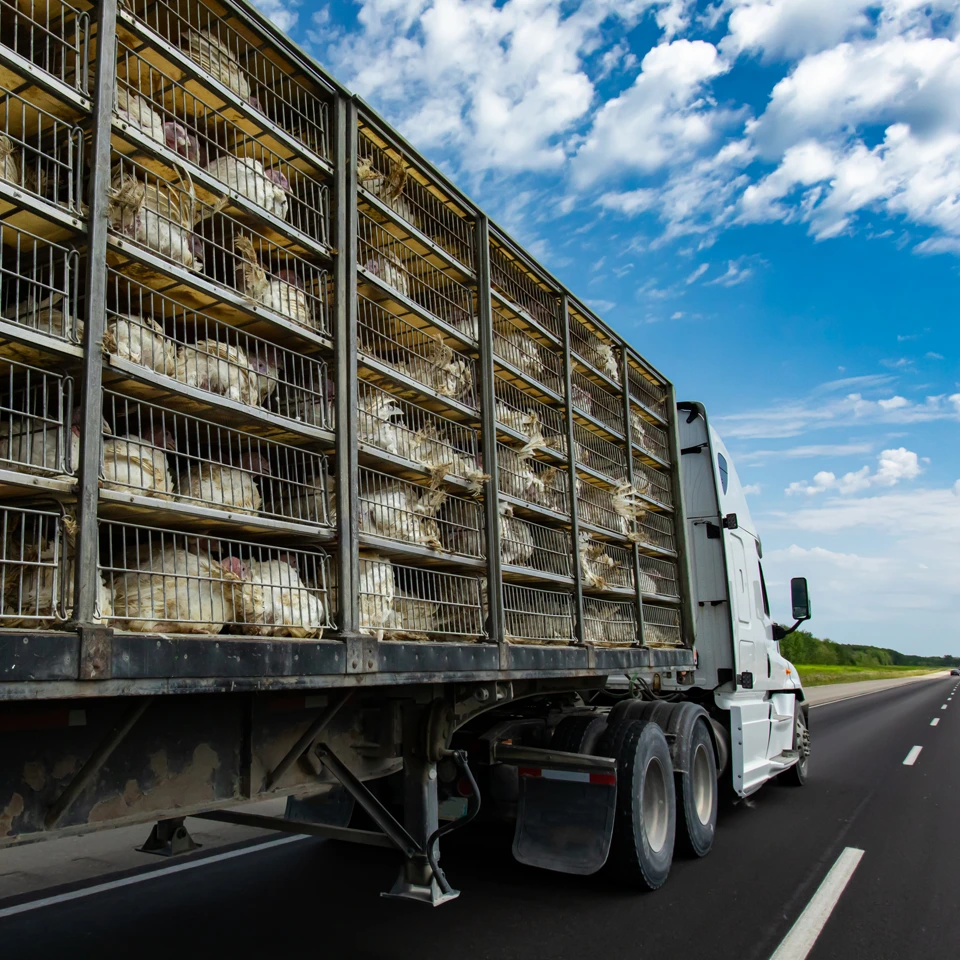
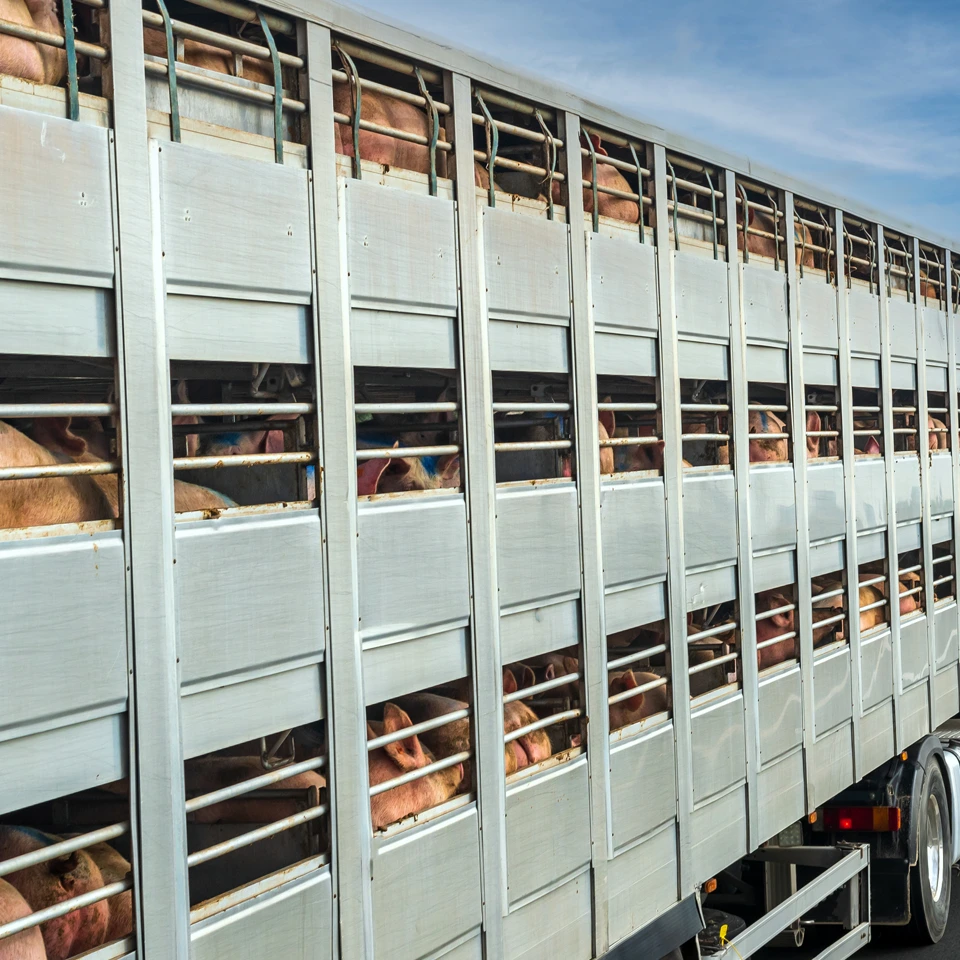
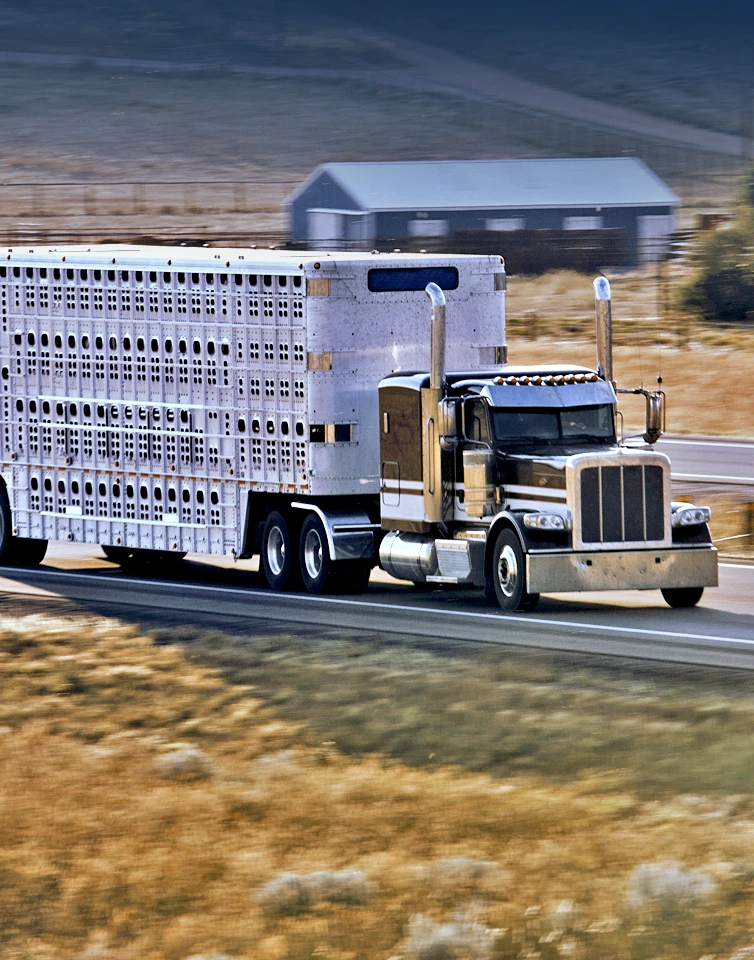
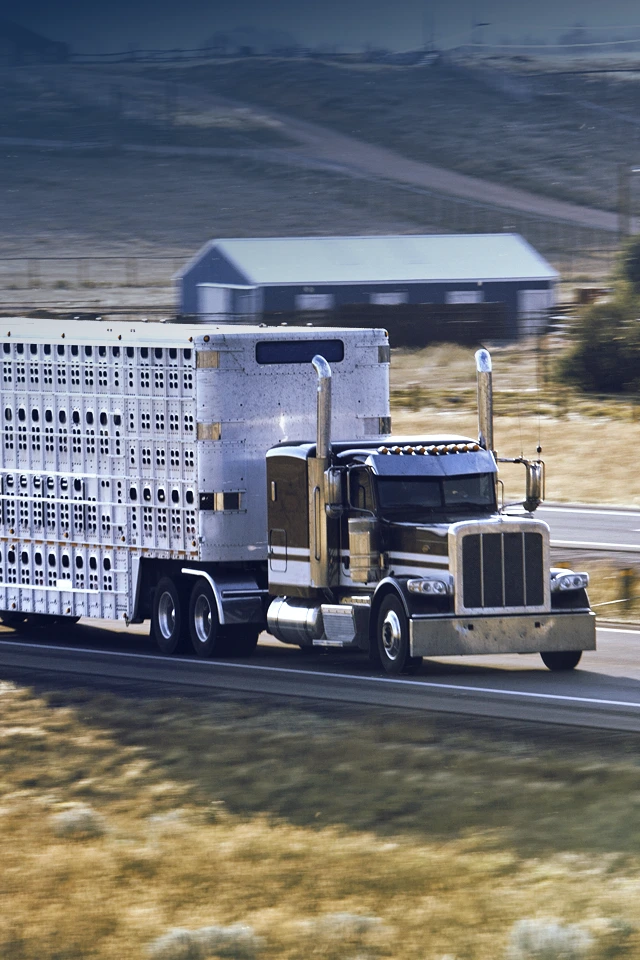
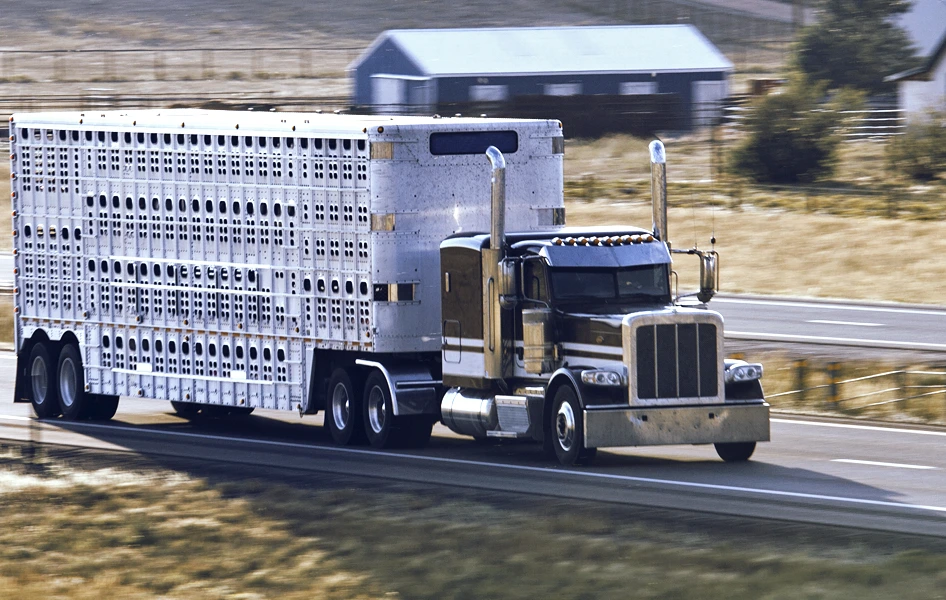
Tracx serves cattle, hog, sheep, and multi-species livestock carriers across North America, from independent owner-operators running farm-to-feedlot routes to processing plants coordinating networks of 50-200 carriers. The platform was shaped around the specific compliance, routing, and documentation demands of live animal transport: welfare transit windows, head count reconciliation, biosecurity checkpoints, and producer-to-processor visibility. Most general freight TMS platforms were retrofitted for livestock as an afterthought. Tracx handles these as core workflows.
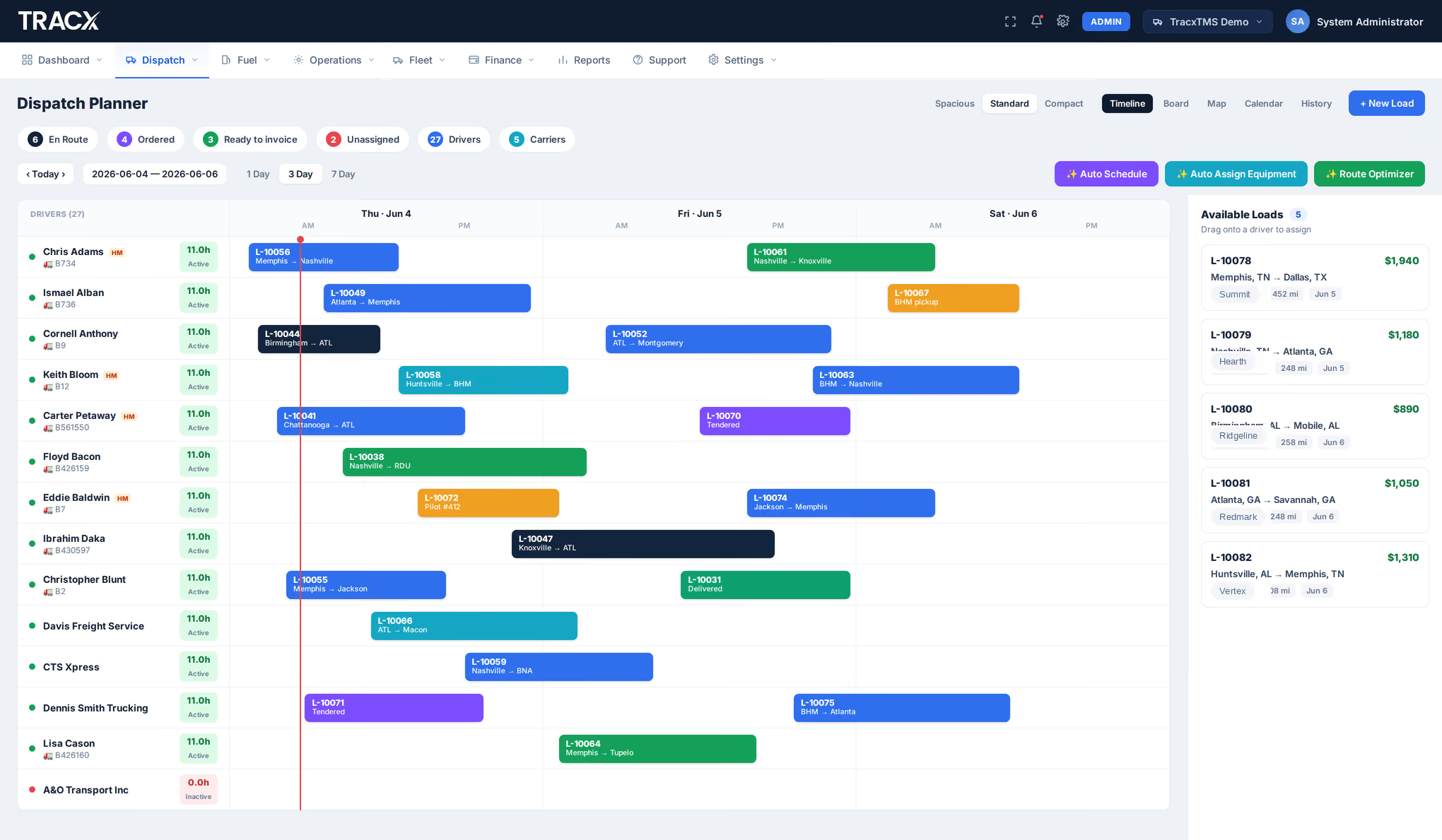
Livestock dispatch runs on different variables than general freight. Head counts, species, pen density, and time-in-transit welfare constraints drive every load decision inside Tracx's dispatch workflow natively.
Processing plants coordinating a broad carrier network run the same platform as the carriers they dispatch to, so the flow of bookings, confirmations, and records stays synchronized across every participant. Producers submit transport requests through a self-service portal and receive direct carrier confirmation without dispatch involvement.
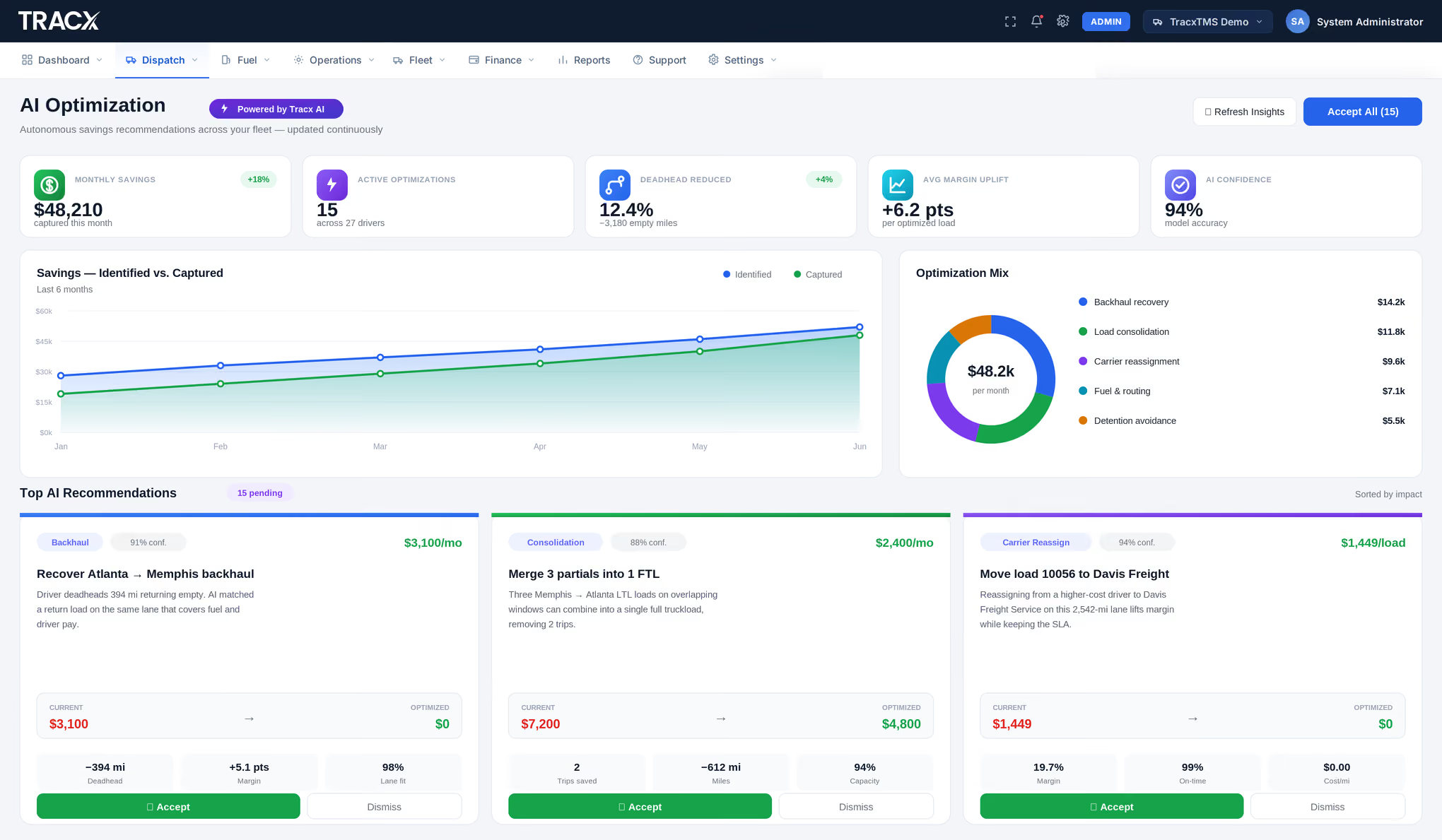
Tracx is AI-native from day one, with automation running through every workflow instead of bolted onto a legacy platform. The AI learns from your own load history and operational patterns, getting sharper the more you use it.
For livestock carriers running cattle, hog, and multi-species routes, that means the AI handles the routine decisions that slow your team down: which driver and trailer fit the load, which welfare clock is approaching its limit, which load needs biosecurity attention, and which routes are losing margin.
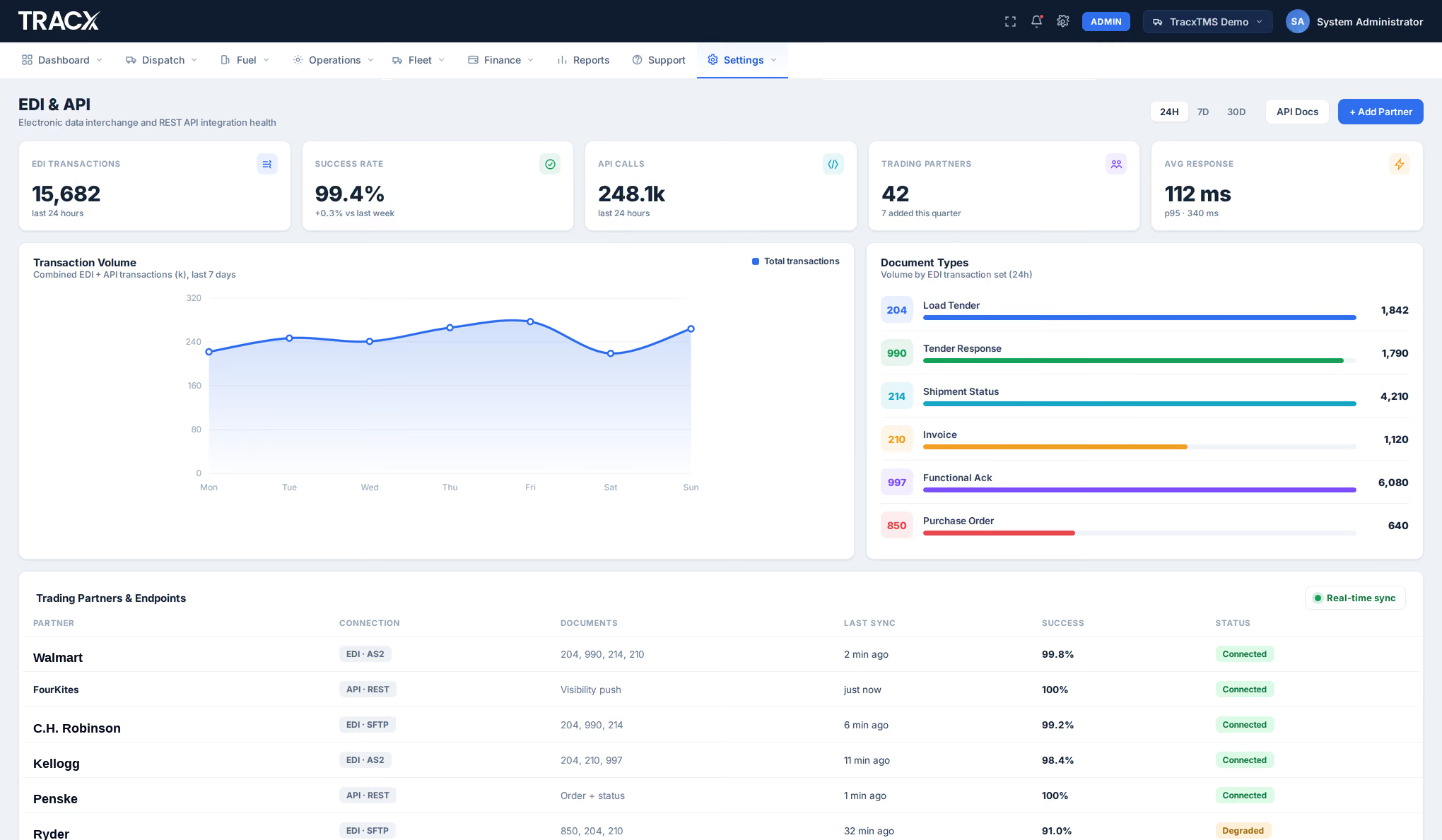
Connect processing plants, order buyers, and farm management platforms to Tracx, so livestock transport bookings, delivery confirmations, and head count records flow automatically between all parties.
Because Tracx hosts its own EDI and open API, connectivity is included without per-transaction fees regardless of how many trading partners or document types are in use. Integration effort shifts from custom development to native support for the platforms livestock operations already run.
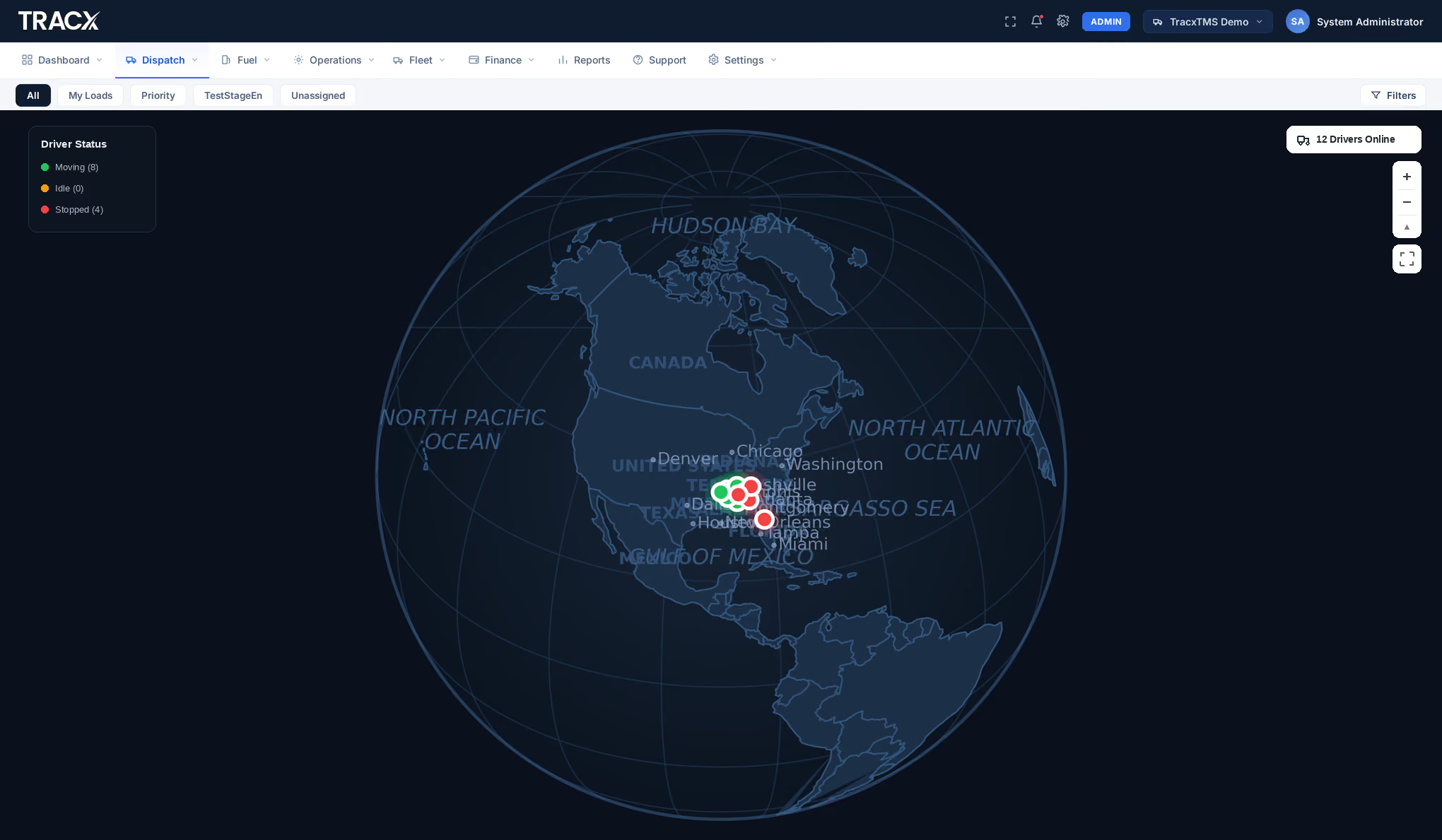
Real-time fleet visibility with livestock-specific intelligence: live location tracking plus a running welfare timer per active load, so dispatchers see both where the truck is and how long the animals have been in transit.
ELD integration is supported with Samsara, Motive, Geotab, and other major providers, including ag-exempt configuration where qualifying. The driver app holds location and status updates during connectivity gaps on rural routes and syncs automatically once signal returns.
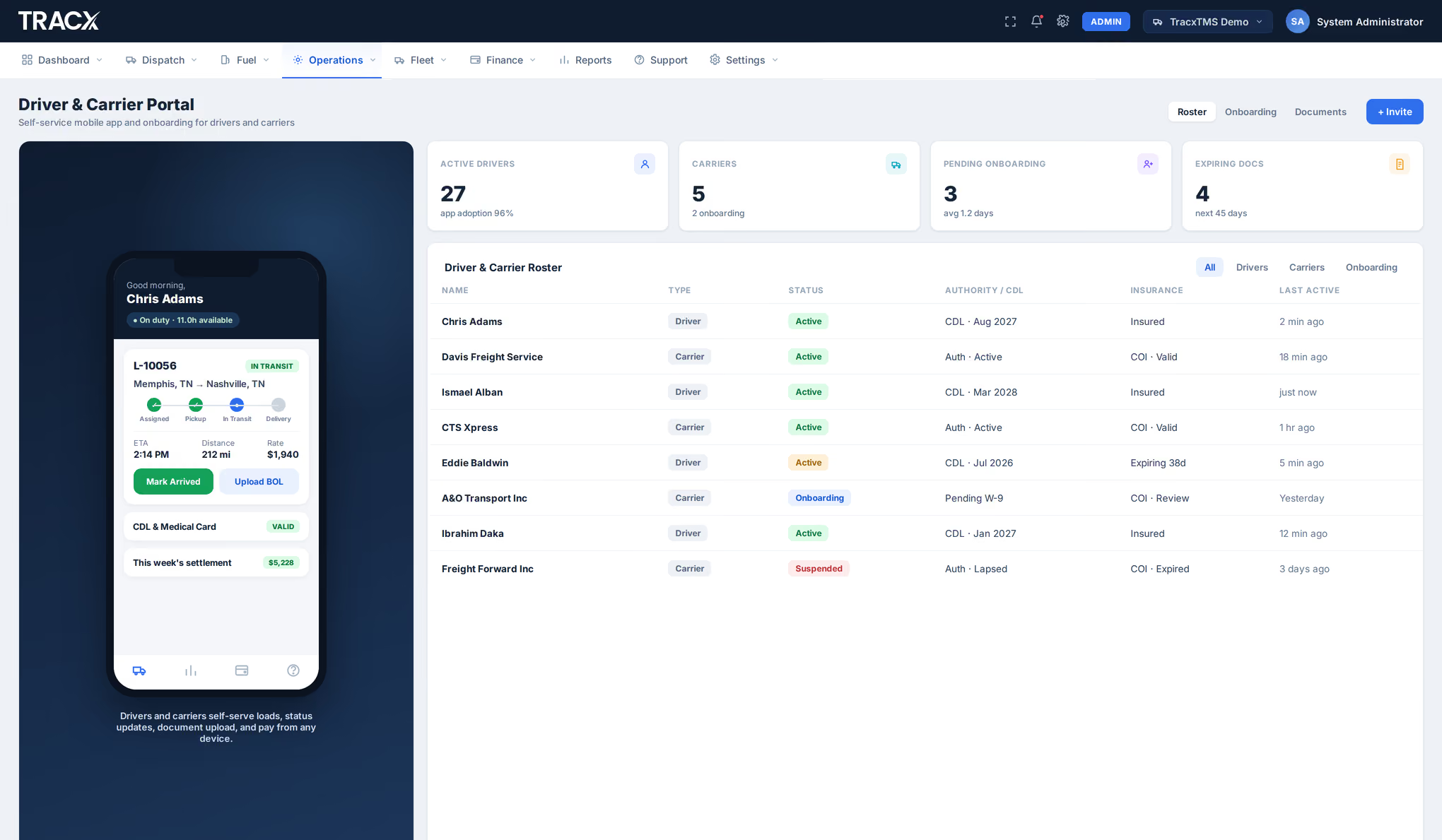
Livestock operations require tools for two distinct field users, the driver managing live cargo on the road and the farmer at the farm gate managing their booking. Tracx provides both, offline-capable.
The driver app captures biosecurity checklists, transfer permits, and delivery confirmations with timestamps and GPS coordinates. Rural farm locations are stored with precise coordinates, access instructions, and gate notes, so repeat visits don't depend on a specific driver's memory of how to find a particular gate.
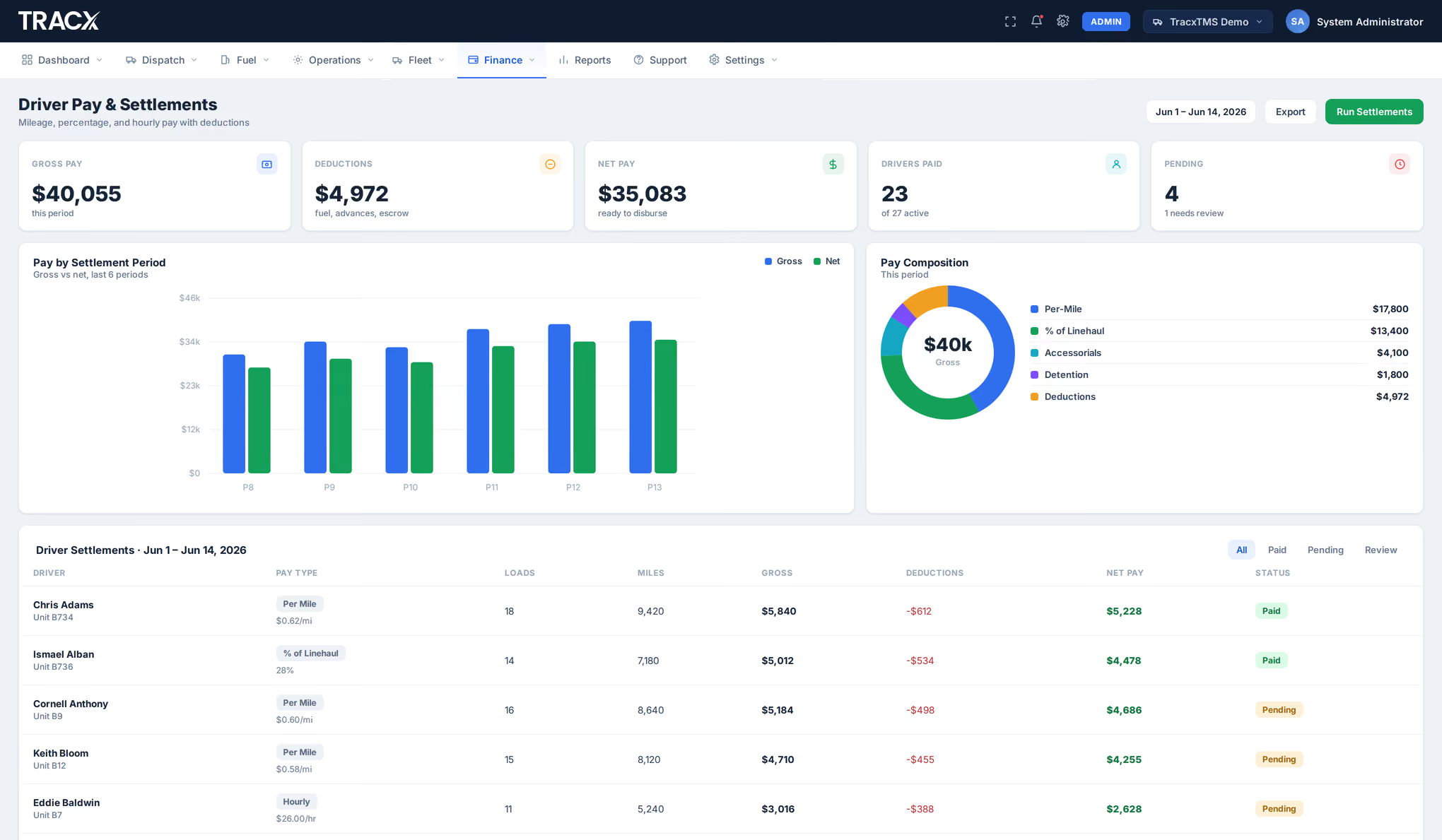
Livestock pay structures vary by head count, by load, by run, or a combination. Tracx calculates driver and owner-operator settlements from actual trip completion data regardless of which pay model your operation uses.
Outputs sync to your accounting system automatically, so payroll and carrier settlements stay aligned with delivered data without manual reconciliation. The same workflow handles company drivers and owner-operators in parallel.
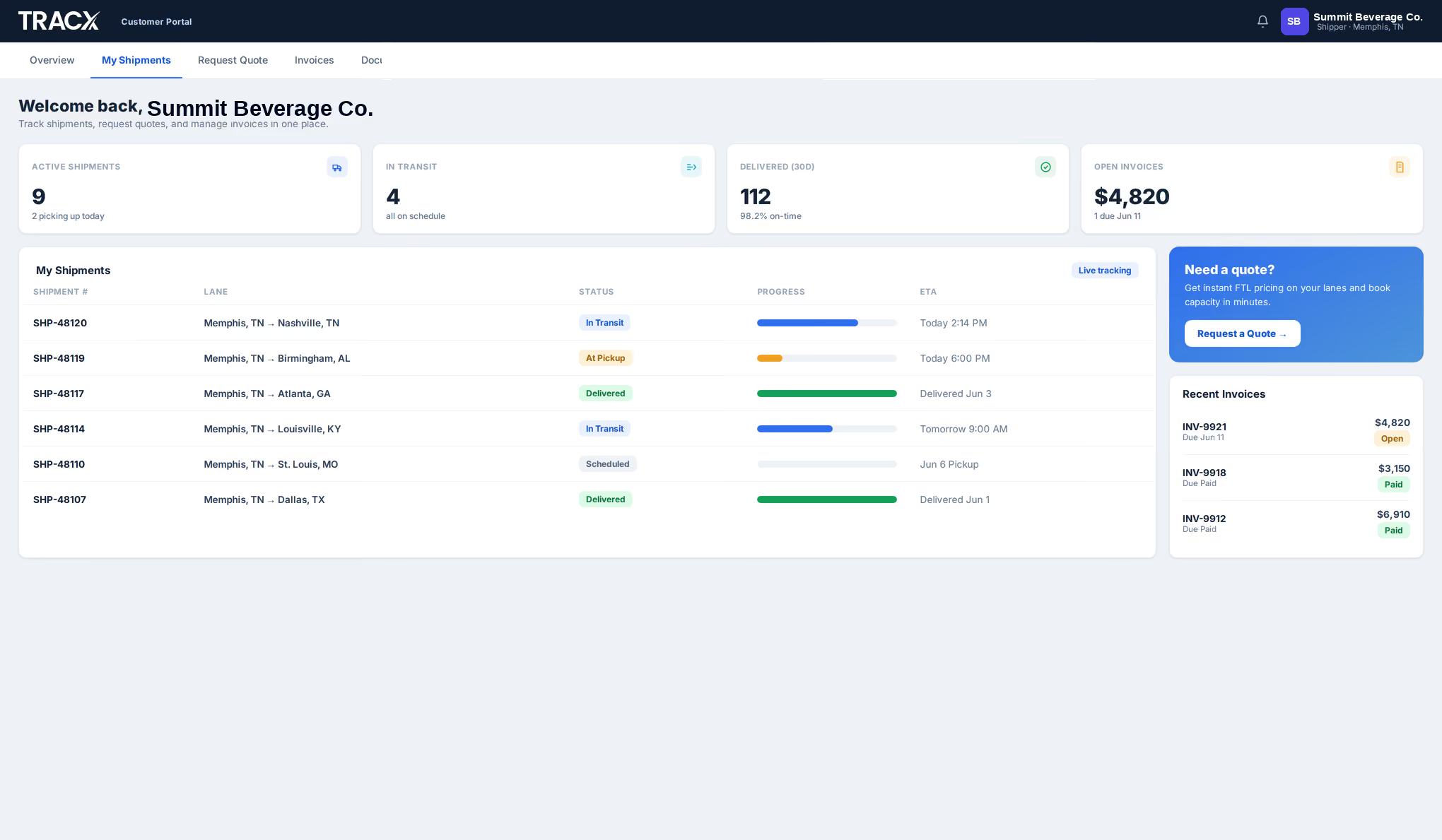
For livestock operations, "customers" include both the processing plants receiving animals and the producers sending them. Tracx gives both stakeholders the real-time visibility they need into inbound movements.
The processing plant view shows inbound trucks with species, head count, and ETA; the producer view shows booking status and pickup confirmation. Both work from the same underlying data that the carrier's dispatch team uses, with no separate portal build and no data translation between systems.
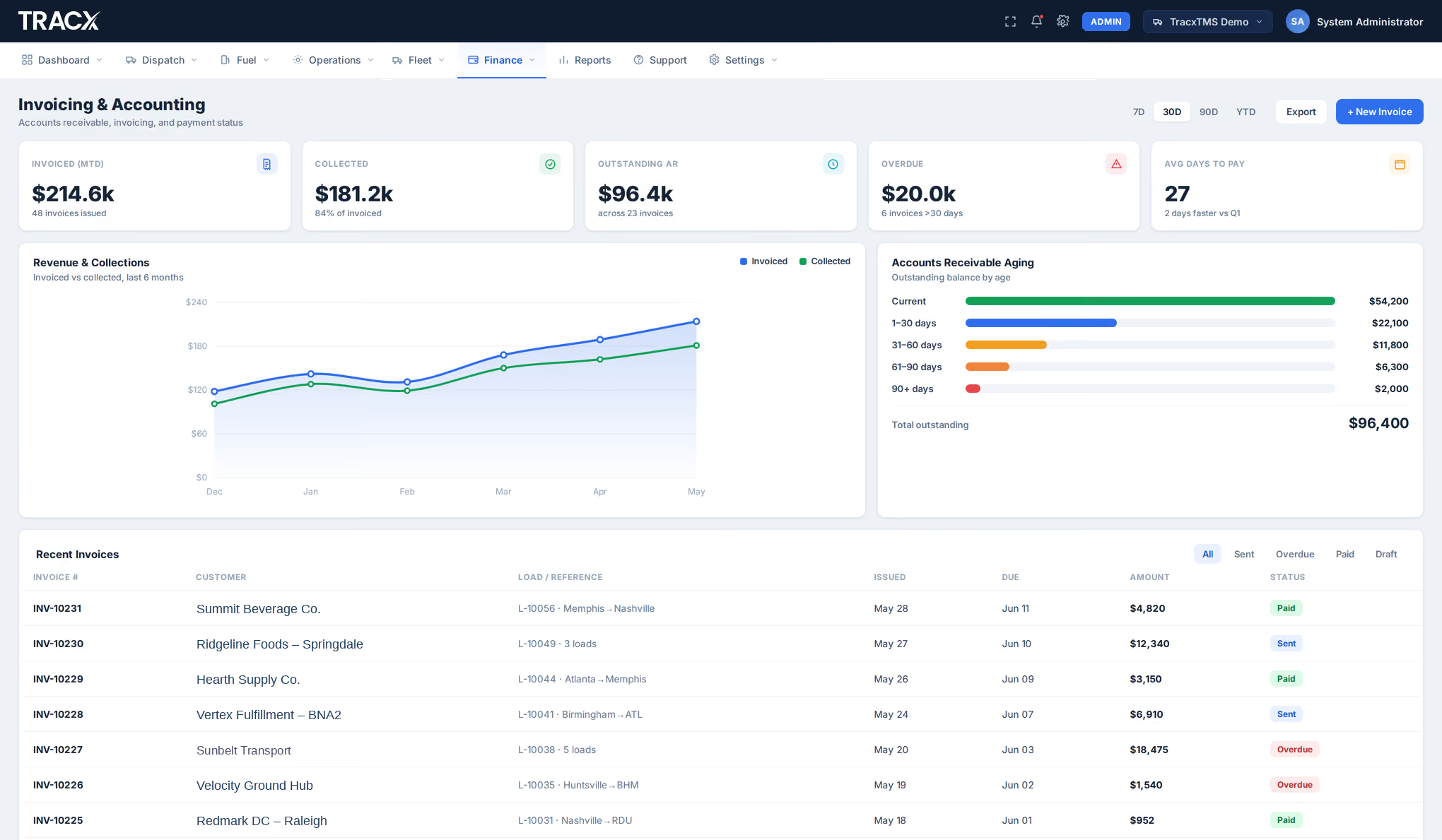
Generate invoices the moment a load is delivered and sync financial data directly to your accounting system, closing the gap between operations and finance without any manual re-entry.
Pricing agreements are stored per customer, animal type, location, and distance, applied automatically at invoice generation. Data syncs to QuickBooks, Sage, or Xero without double-entry between the operational record and the accounting record.
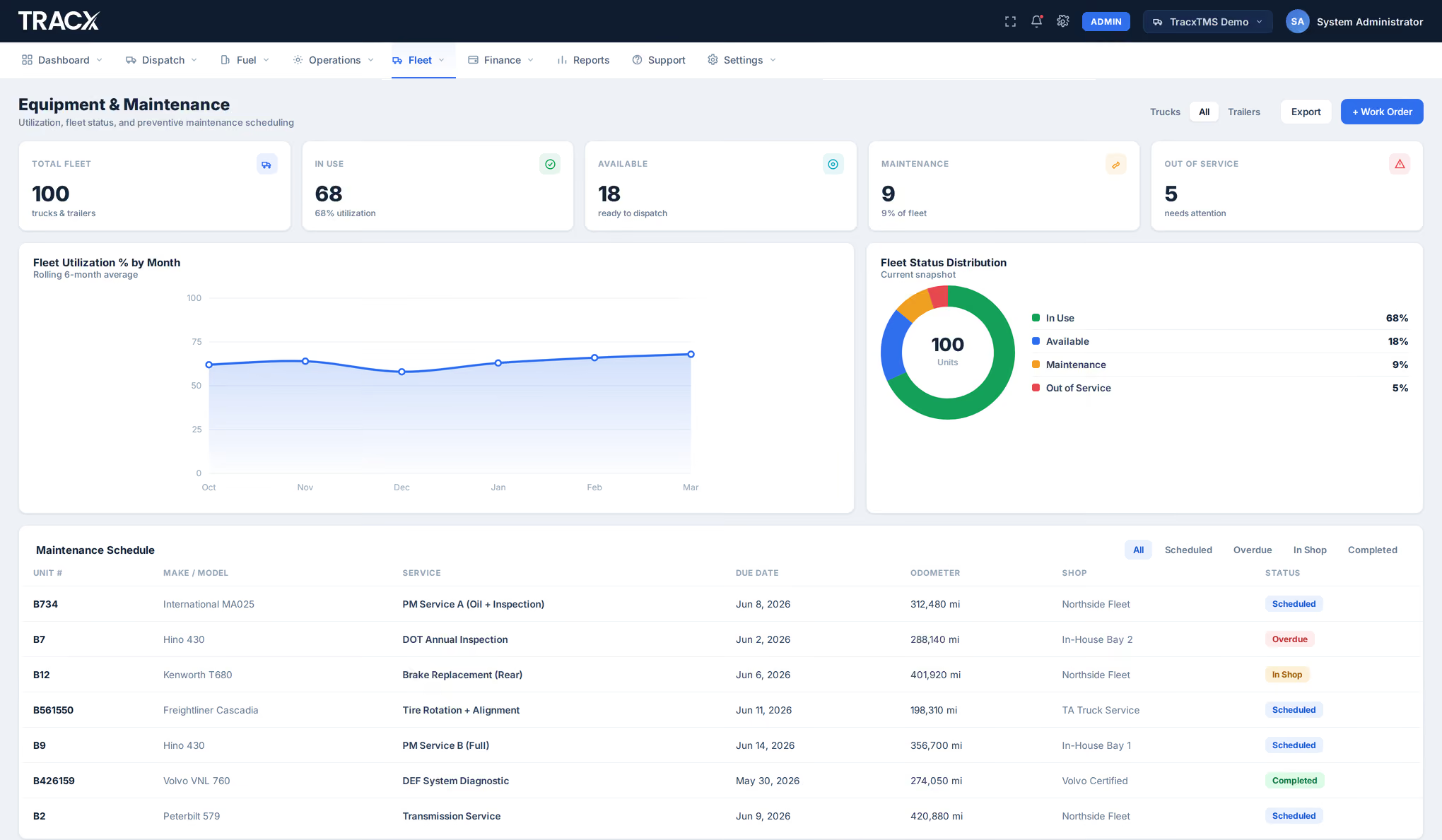
Livestock trailers have biosecurity and wash requirements beyond standard equipment compliance. Tracx tracks both, ensuring every unit is road-legal and sanitization-certified before it loads animals.
Trailer assignment checks biosecurity status before dispatch, so units not certified for the next consignment are flagged automatically. Pen configuration, capacity by species, and trailer condition are managed per unit, so dispatch always works from accurate equipment availability.
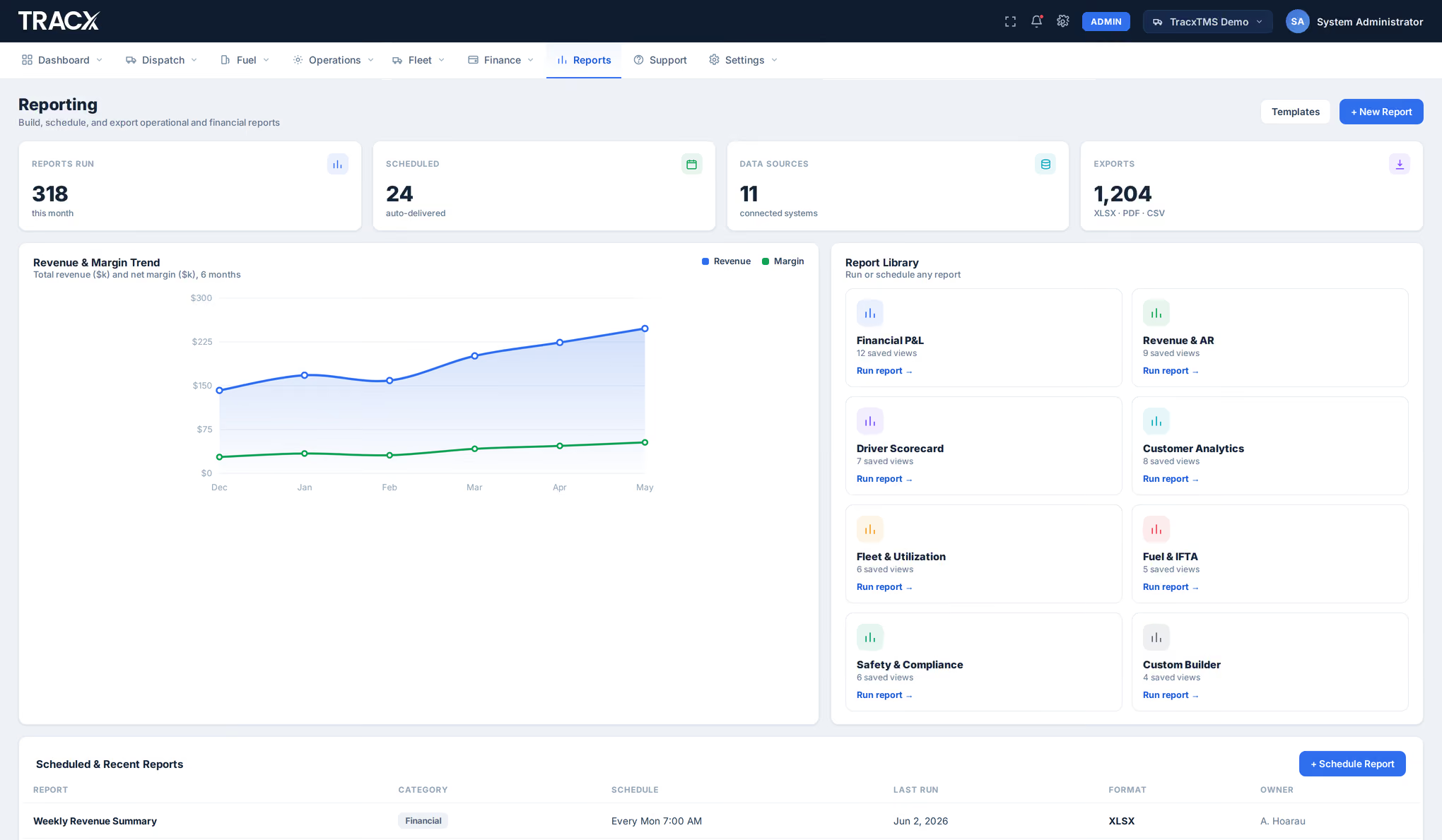
Livestock operations need reporting across three dimensions that don't exist in standard freight TMS: welfare compliance, network efficiency, and customer profitability. Tracx provides all three.
Documentation generated through normal operations serves regulatory audits and customer performance reviews without custom reporting builds. The same data supports commercial negotiations with producers and processing plants grounded in actual network performance rather than general claims.
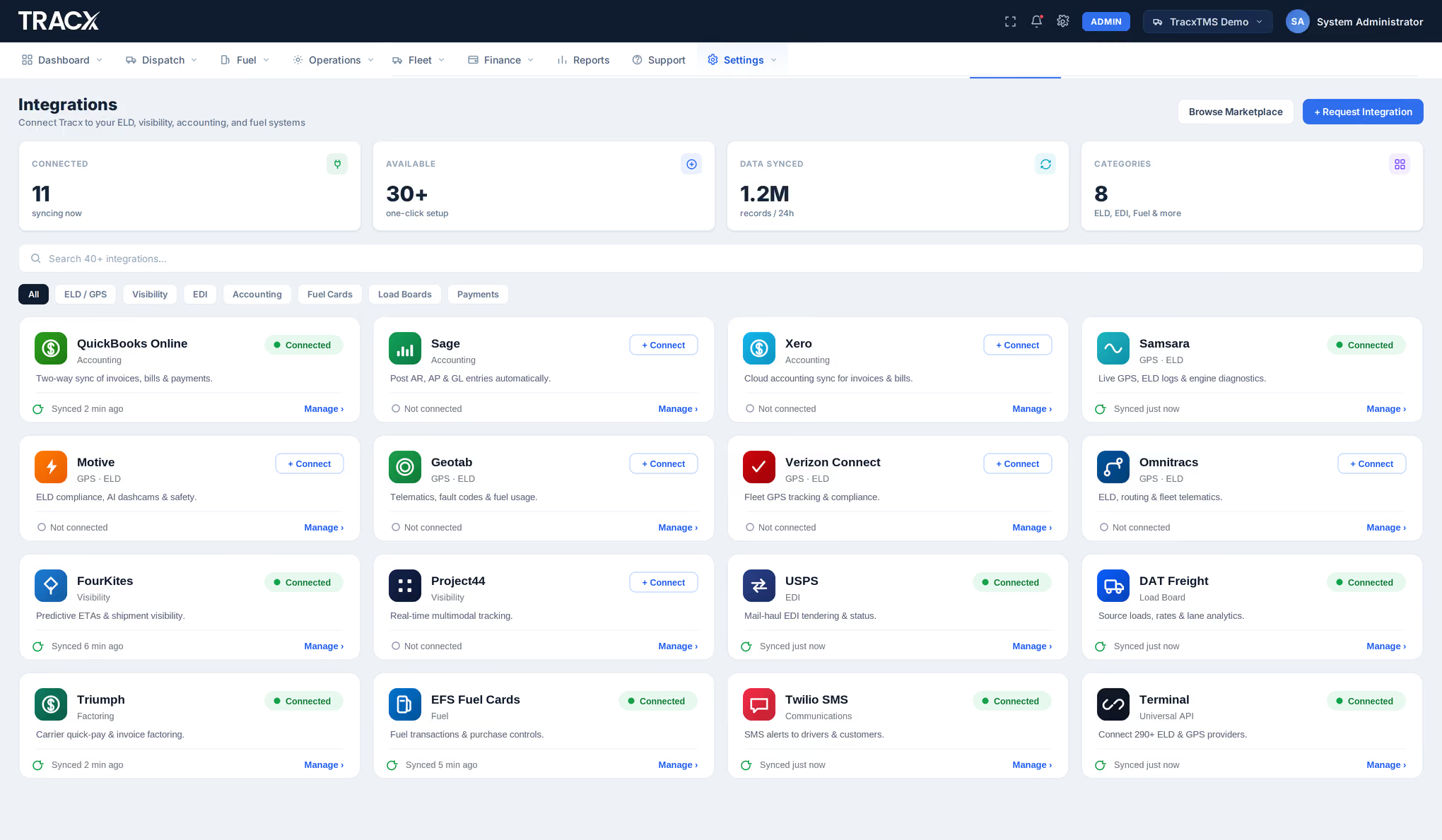
Tracx connects to the agricultural and logistics platforms livestock operations depend on, from farm management APIs and processing plant ERPs to GPS providers and accounting systems.
Integrations are maintained centrally, so updates from any connected platform don't break your operational workflow. IFTA calculation handles ag-exempt ELD configurations correctly, so qualifying drivers stay compliant on both fronts without workaround logic.
Tracx connects every stakeholder in your livestock supply chain, from farm gate to processing plant, in a single live ecosystem that reduces transit time, eliminates empty miles, and keeps animal welfare compliance systematic.













Tracx handles the full operational scope of livestock transport, including welfare clocks, biosecurity logs, head count reconciliation, and producer-to-processor lanes, without the workarounds generic TMS forces on livestock haulers.

Every function you depend on runs in one fully integrated system, including dispatch, driver management, billing, compliance, welfare-aware tracking, and accounting. Data flows automatically between them.

Tracx invests in the relationship past go-live, with rapid implementation, transparent asset-based pricing, and a dedicated support team that knows how livestock operations actually run day to day.
We don't do generic walkthroughs. Tell us your freight type, your current system, and your biggest operational pain point. We'll show you exactly how Tracx handles it. No pitch deck. No pressure. Just a real look at the platform shaped for your operation.