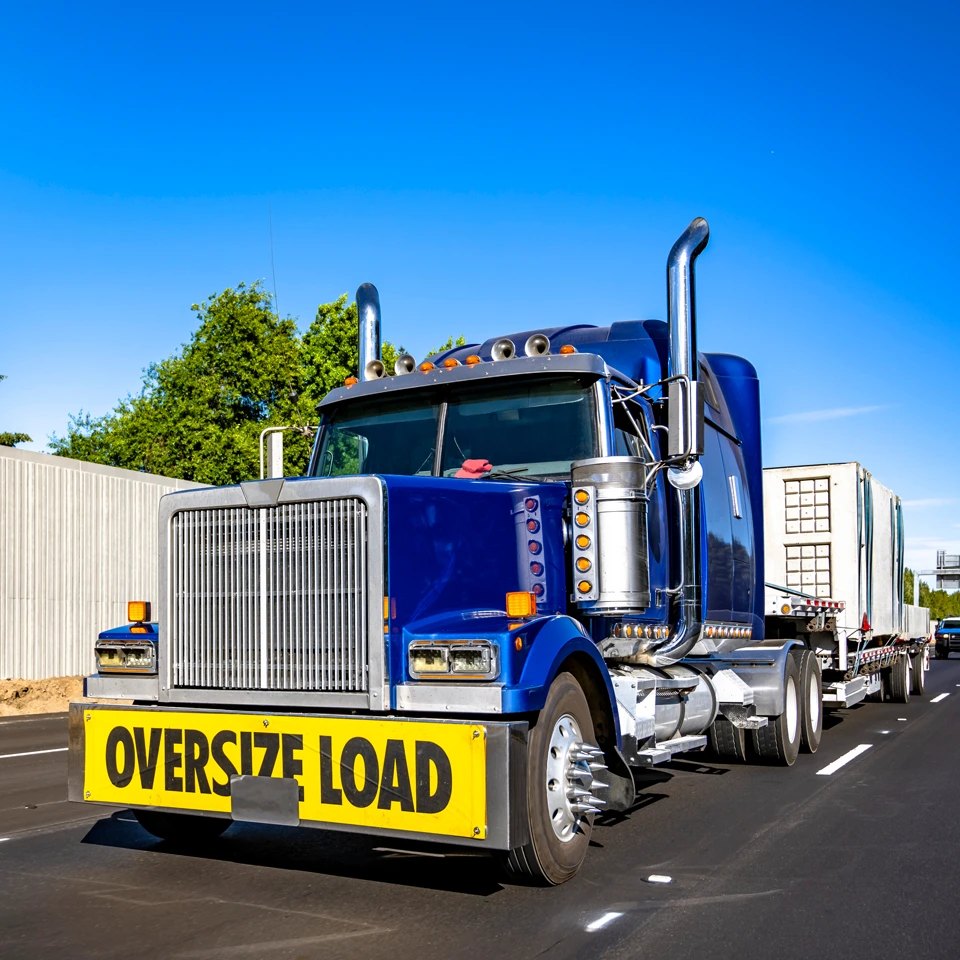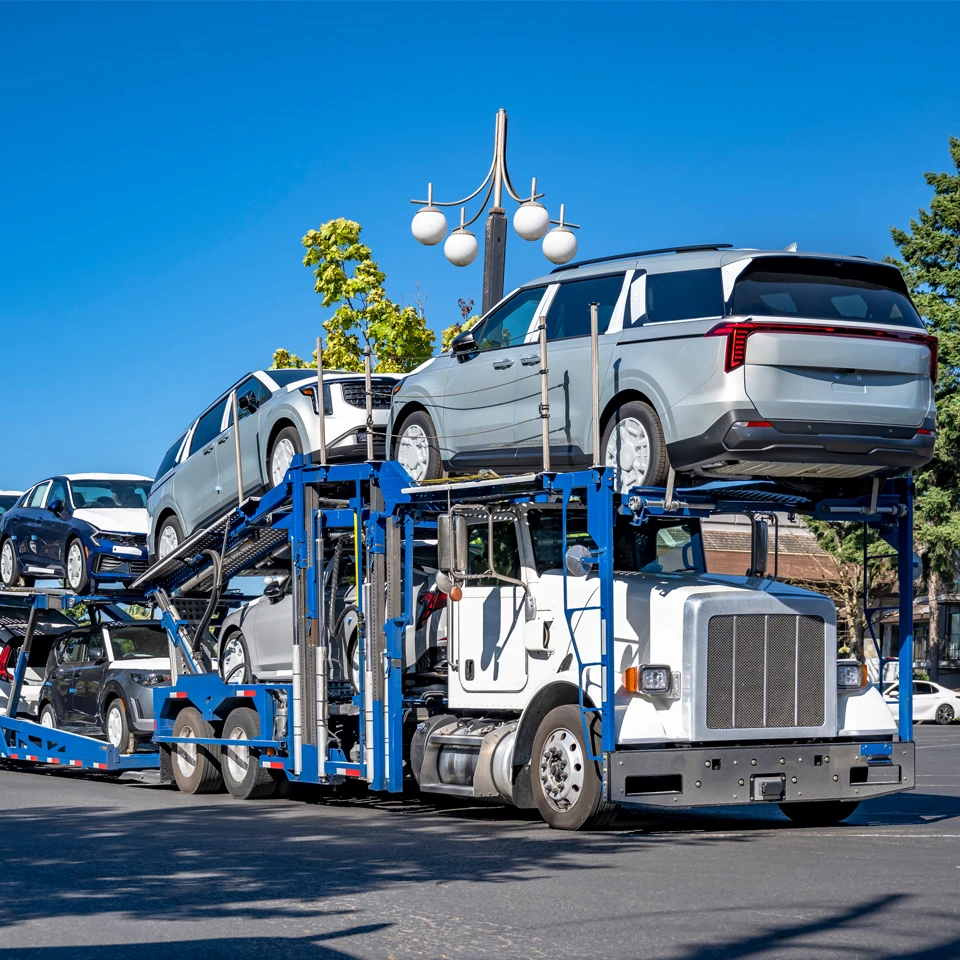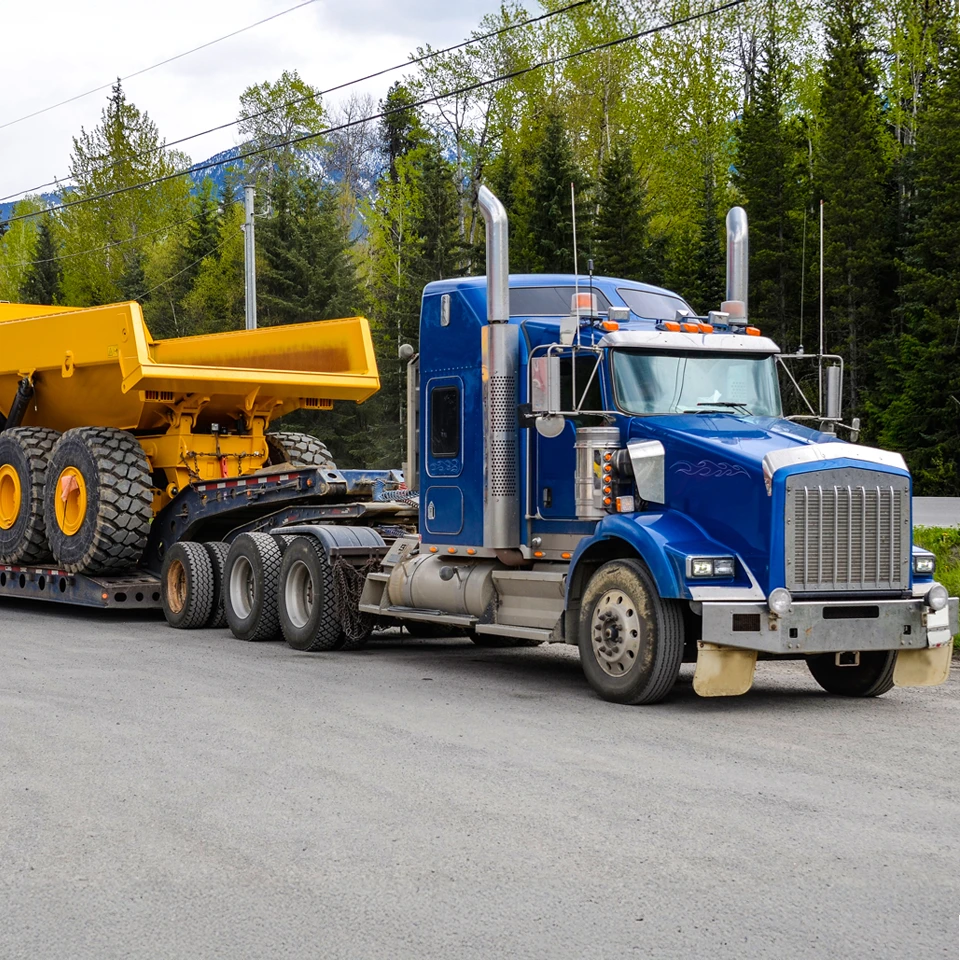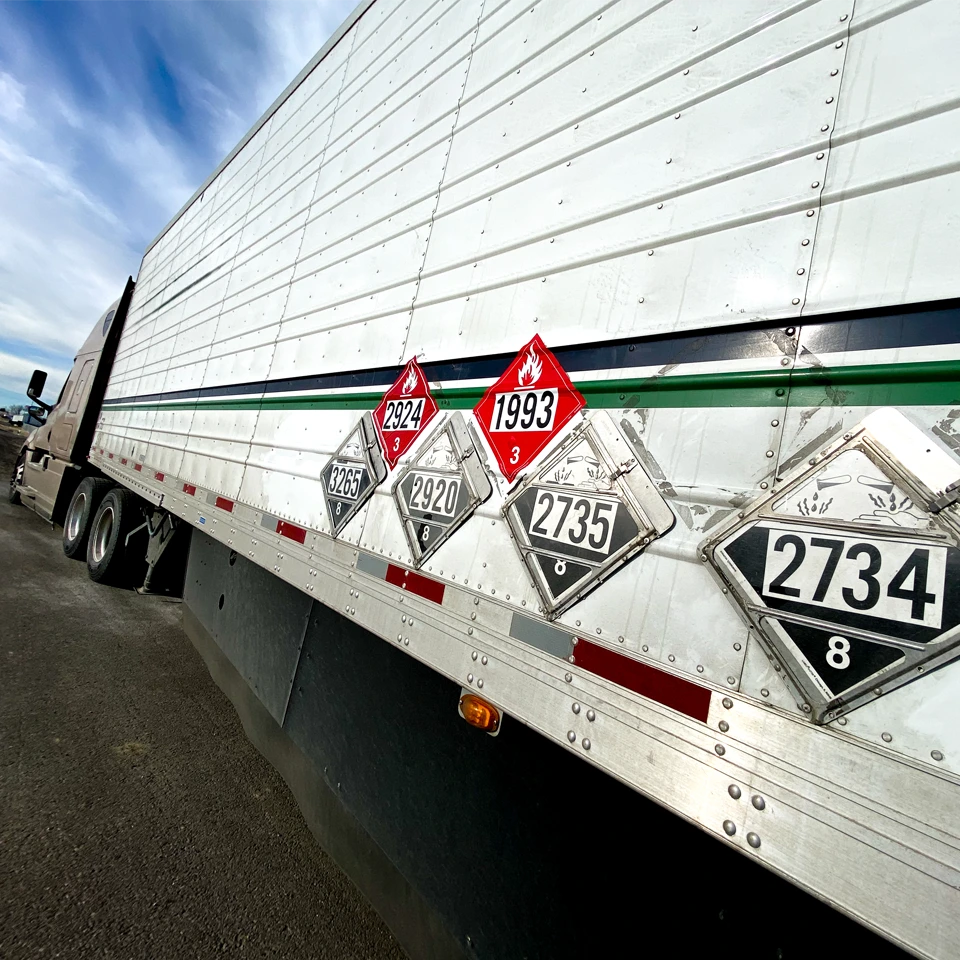

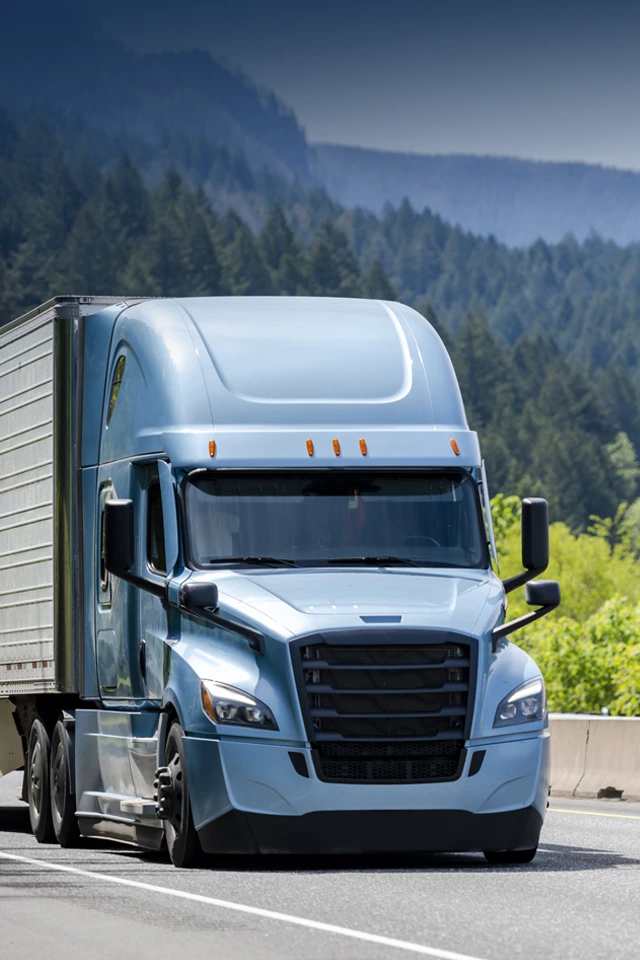
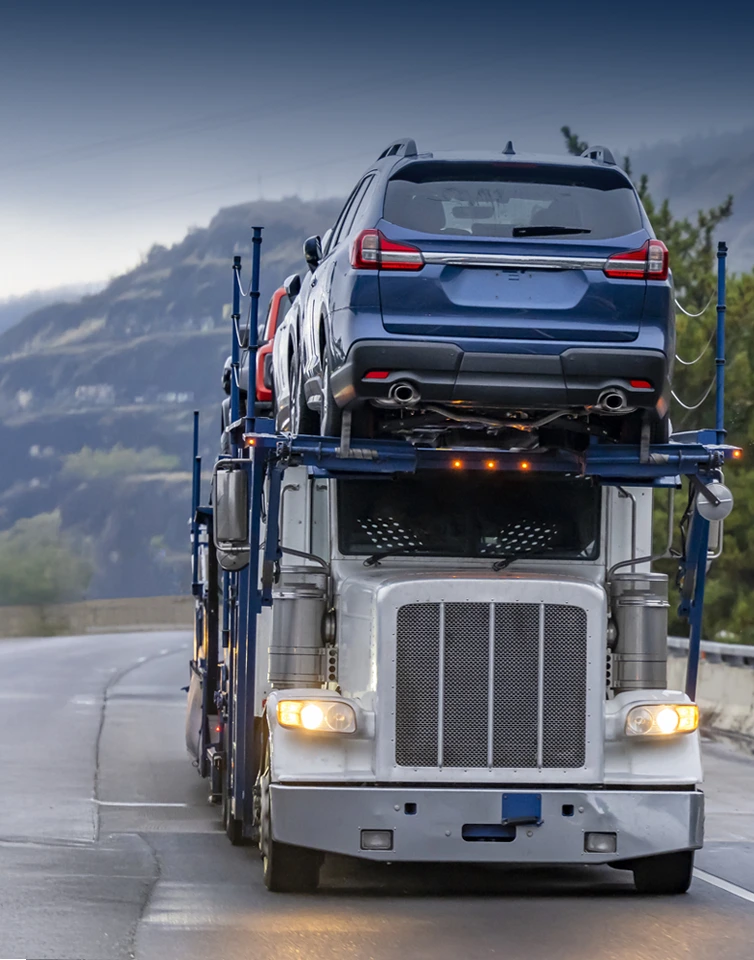
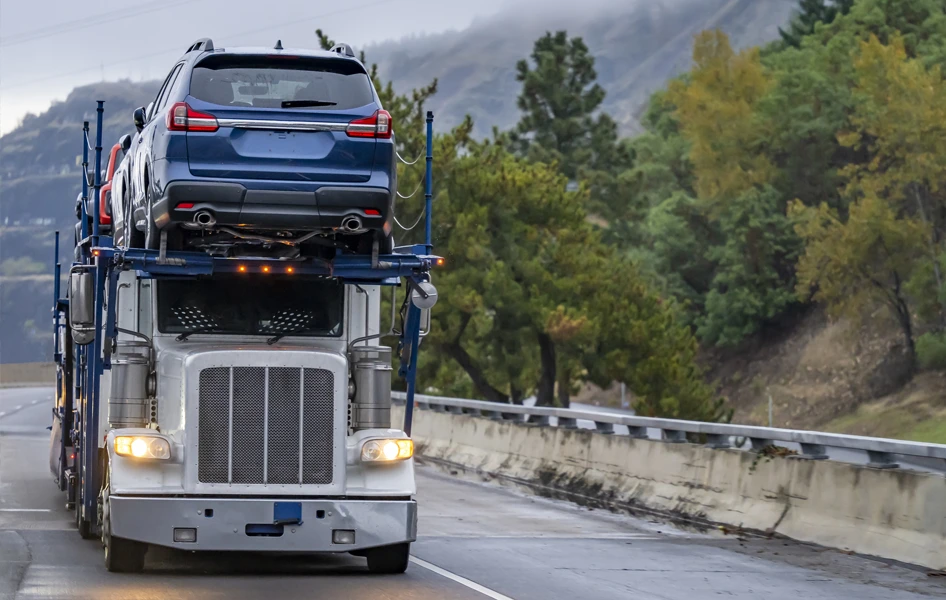
Powering transportation operations across North America.
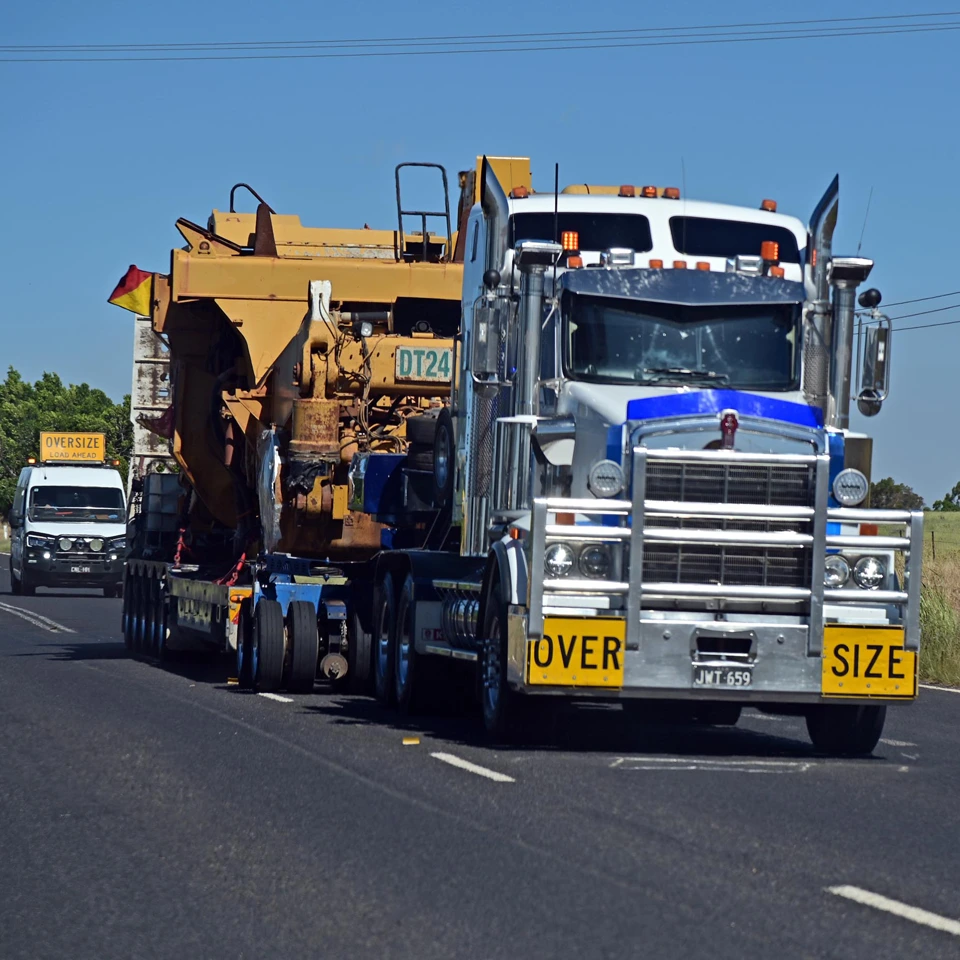
Tracx serves auto transport operators, heavy haul companies, oversized load carriers, dump truck fleets, and bulk material haulers across North America, from independent owner-operators to multi-terminal specialized fleets. The platform handles the operational complexity of specialized hauling natively: VIN-level vehicle tracking for car haulers, permit route adherence monitoring for oversize loads, scale ticket integration for dump trucks, project-based billing for construction equipment moves, and driver certification matching by equipment type and load requirement. These are core workflows rather than modules bolted on after the fact.
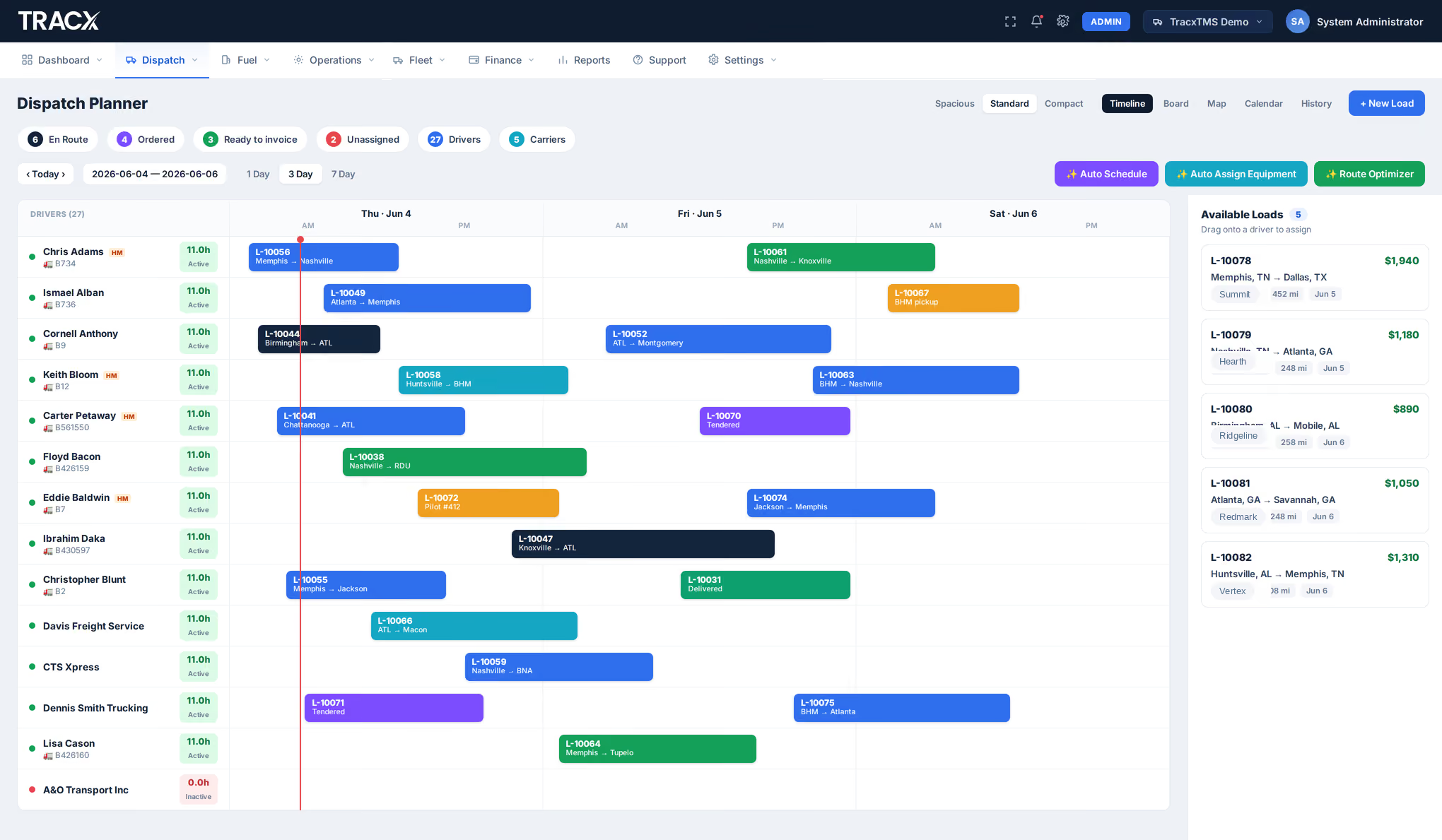
Specialized equipment dispatch fails when you use generic freight tools, since every load has unique equipment requirements, driver certifications, permit needs, and dimensional constraints that standard TMS platforms ignore.
For car haulers, VIN-level load management treats each vehicle as its own record (individual VIN, condition, BOL, and delivery status) rather than a single freight line item. Project-based dispatch groups multiple moves under one job for construction mobilizations and fleet relocations, and high-frequency bulk dispatch supports dump truck operations running multiple loads per truck per day.
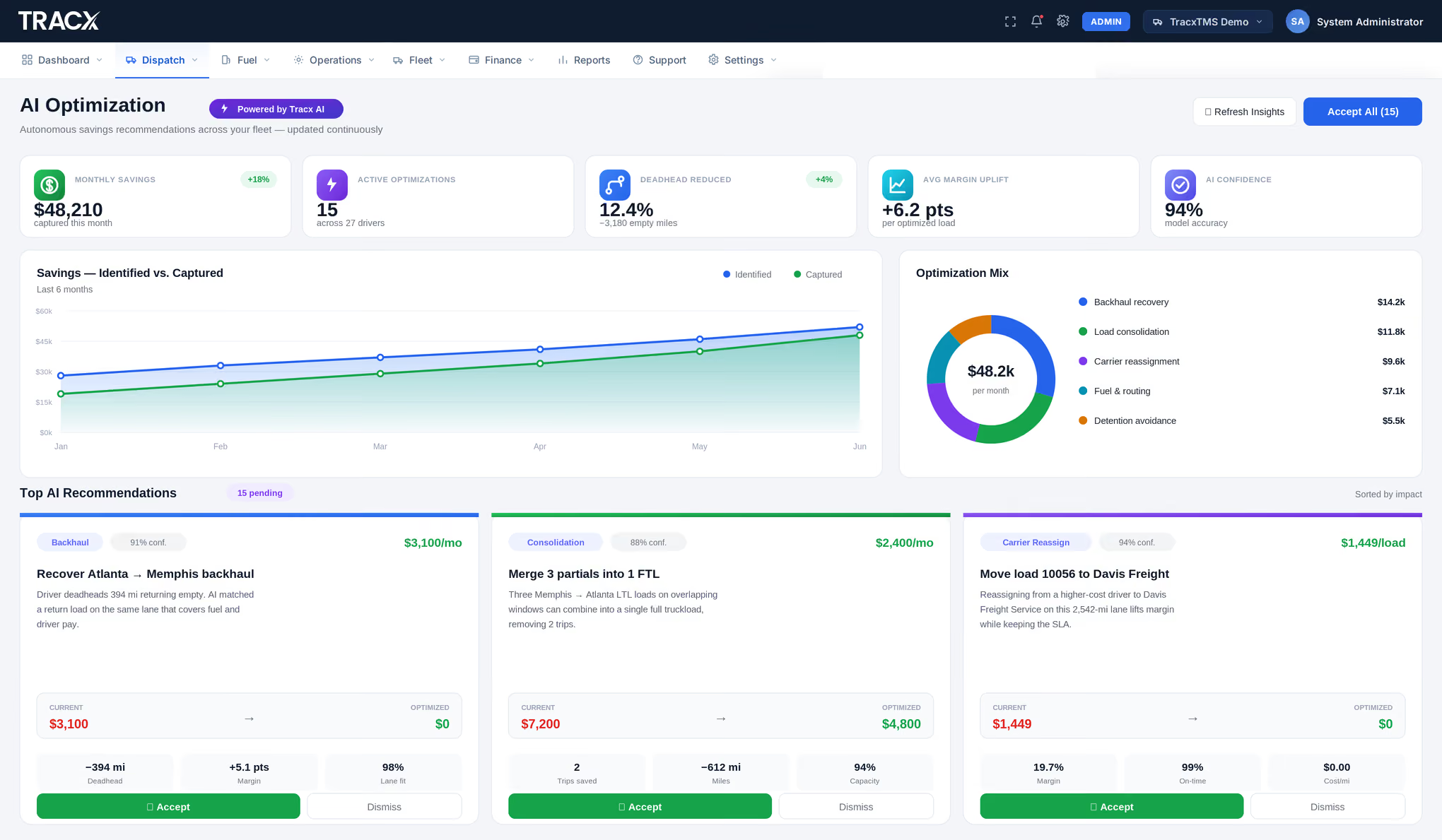
Tracx is AI-native from day one, with automation running through every workflow instead of bolted onto a legacy platform. The AI learns from your own load history and operational patterns, getting sharper the more you use it.
For carriers running auto transport, heavy haul, oversized loads, and dump truck operations, that means the AI handles the routine decisions that slow your team down: which driver and equipment fit the load, which permit route needs updating, which load shows margin risk, and which projects are running behind schedule.
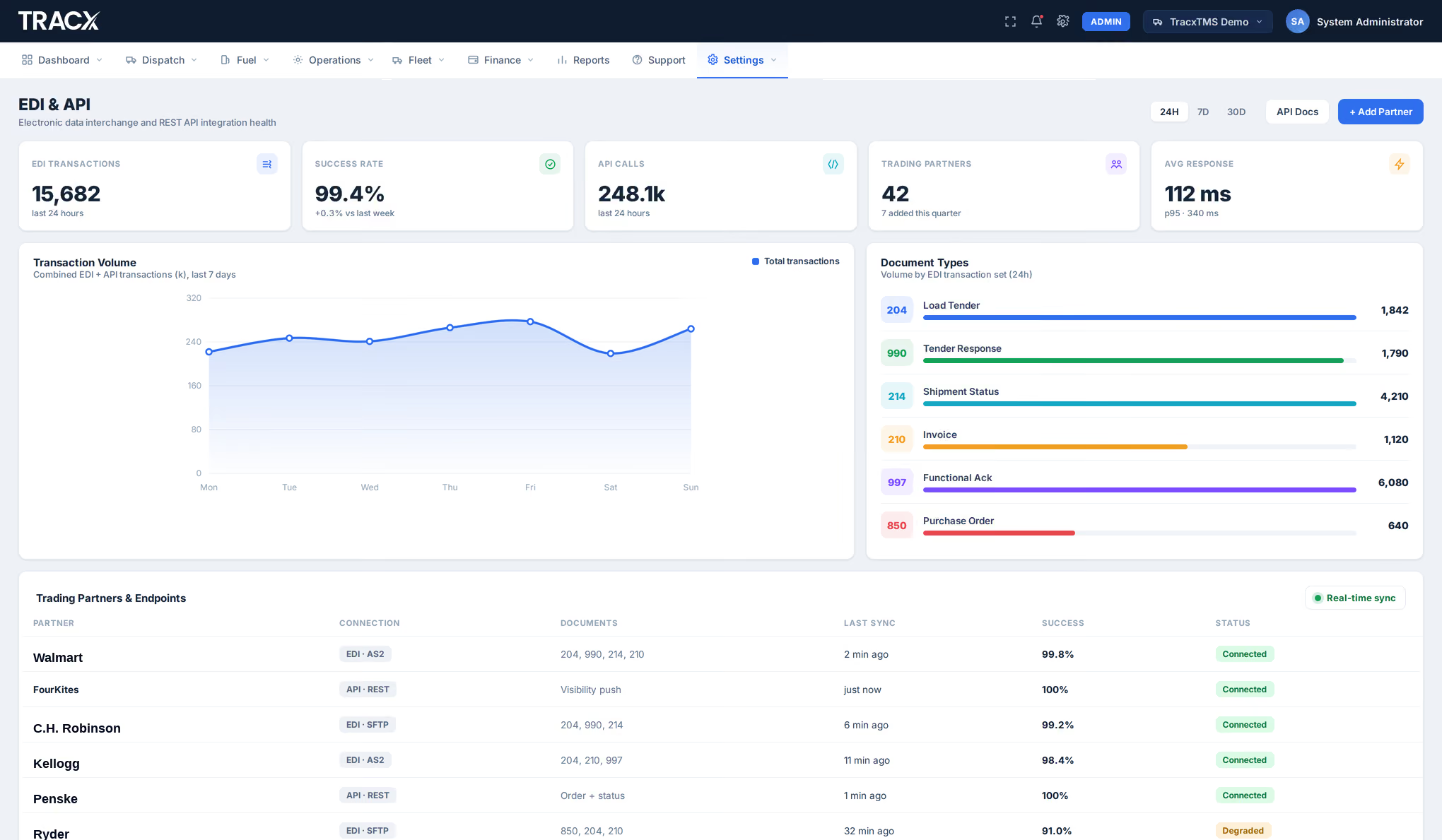
Specialized carriers working with enterprise construction, automotive, or dealer networks need EDI for order intake and status reporting. Tracx handles this natively with auto transport load board import support alongside standard EDI.
Auto transport broker and dealer system imports cover 30+ order formats for car hauling operations. Weigh-bridge API integration pulls scale ticket data into dump truck load records automatically, updating quantity per trip without driver data entry.
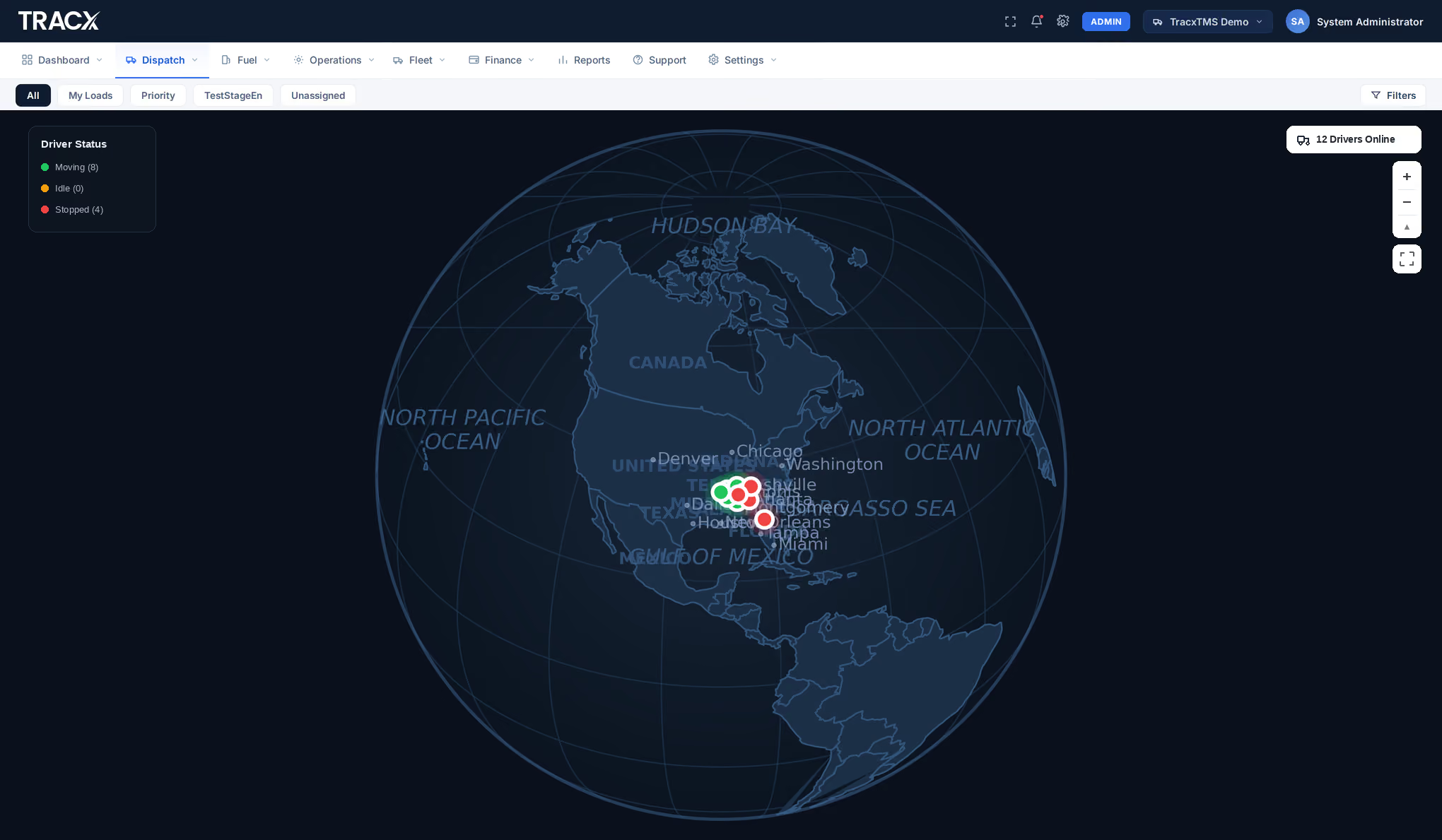
High-value specialized cargo requires more than a location dot. Customers and dispatchers need to know a crane or piece of construction equipment is on route and on schedule without relying on driver check-ins.
Permit route adherence monitoring via geofencing alerts dispatch when oversize vehicles deviate from permitted corridors. Driver hours and location integrate through Samsara, Motive, Geotab, and Verizon, providing one operational view for complex multi-day oversize moves rather than separate platforms for telematics and dispatch.
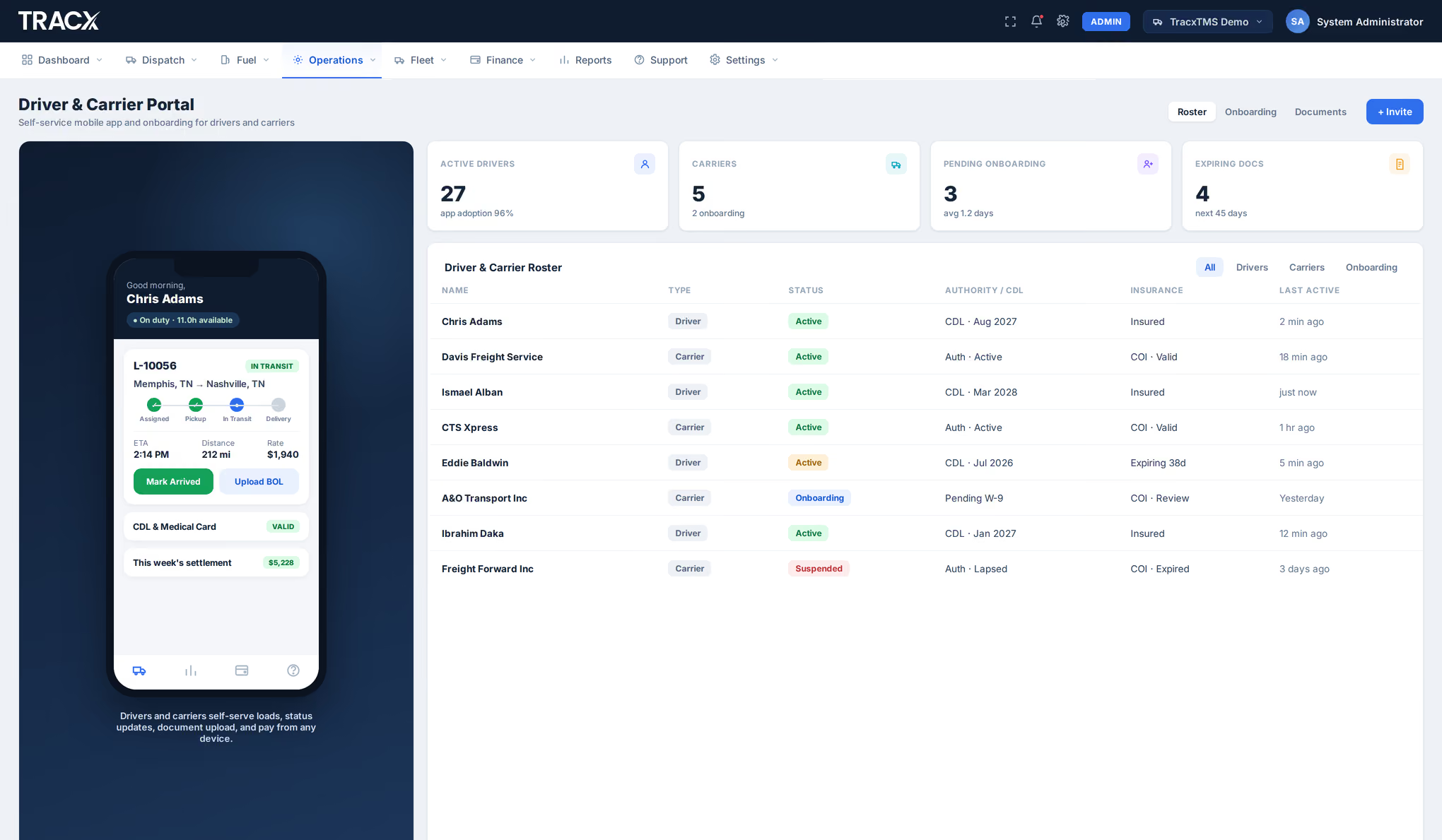
Specialized drivers need more in their mobile app than standard freight, since permits, route survey notes, load securement instructions, and photo inspection tools are part of every job rather than exceptions.
VIN barcode scanning auto-populates vehicle details and generates compliant eBOLs for car hauling in seconds. Photo inspection with damage markup on vehicle diagrams or photos, combined with shipper e-signature at handoff, creates defensible documentation for every load handled.
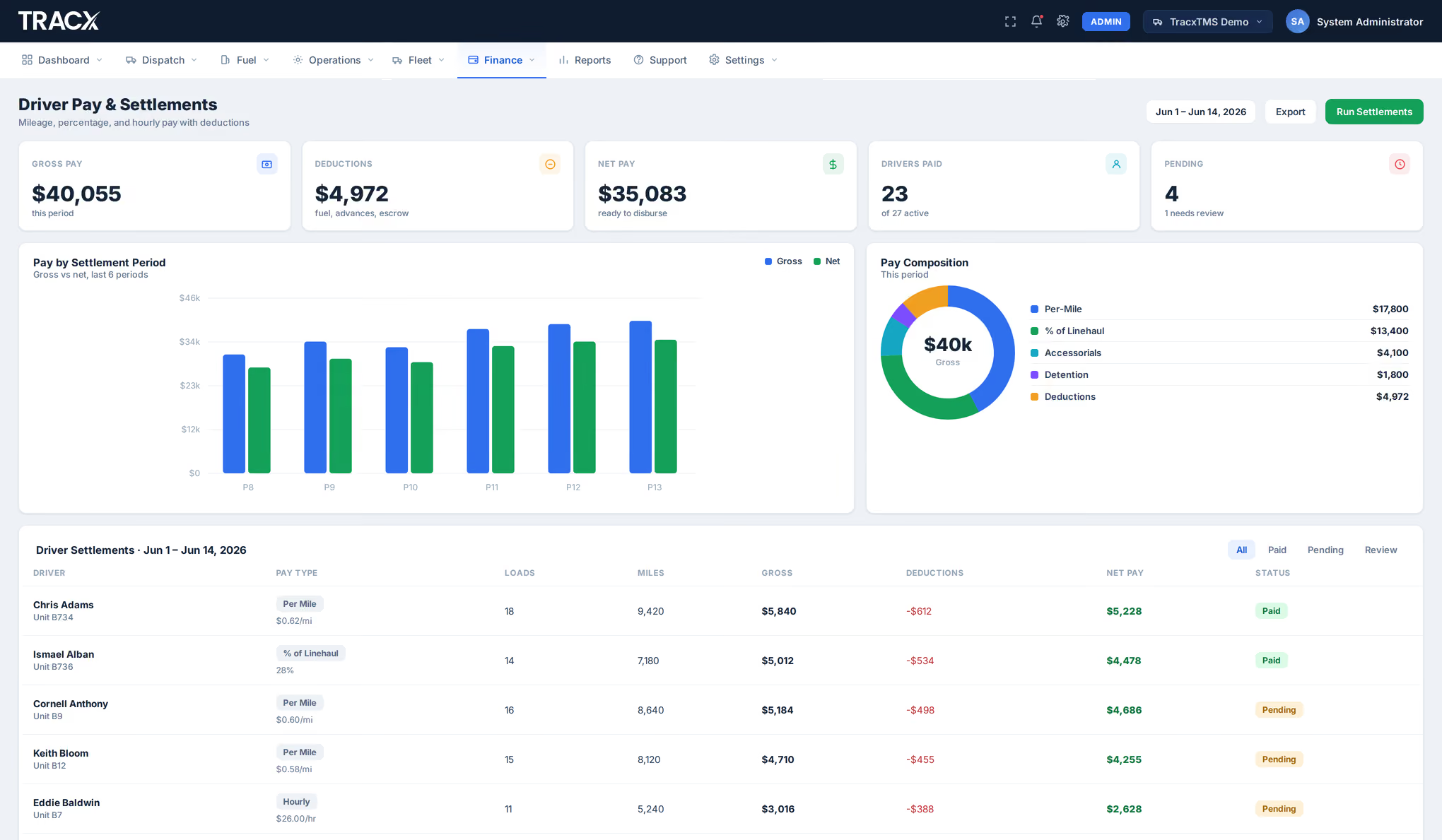
Specialized carrier pay often includes project bonuses, permit reimbursements, and multi-day job pay that differ from standard per-mile structures. Tracx handles these without manual payroll calculations.
For dump truck and bulk material operations, driver pay calculates from confirmed scale ticket quantities, with pay per ton or per load from weigh-bridge data. For car hauling, per-vehicle pay structures are supported alongside standard per-mile and per-load configurations.
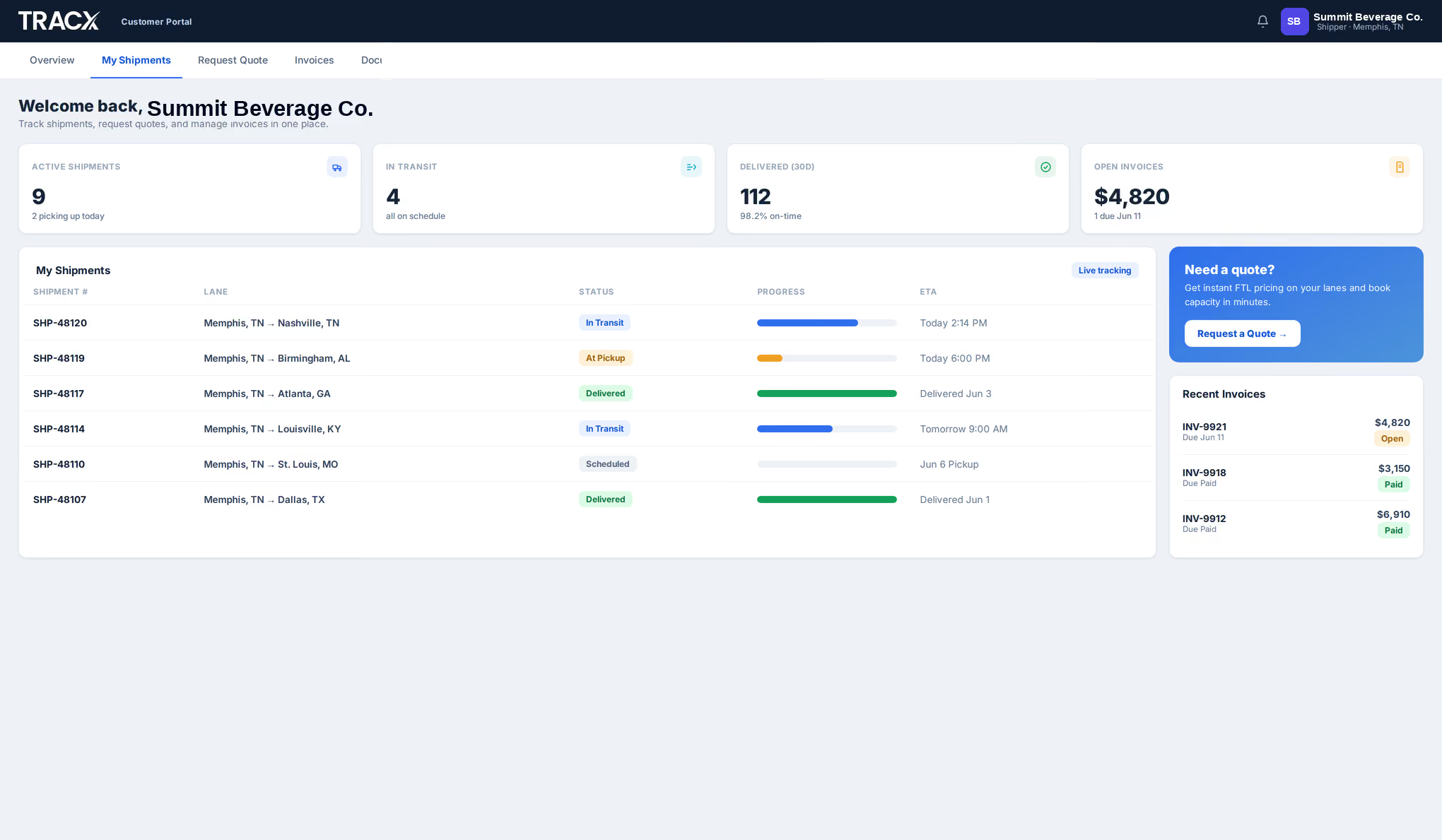
High-value specialized cargo shippers (construction firms, dealerships, manufacturers) expect more visibility and documentation than standard freight customers. Tracx provides a portal with live load status and full document access as standard.
For car haulers specifically, dealership customers see per-vehicle status and condition reports rather than load-level tracking. Inspection documentation, damage markup records, and eBOLs are accessible through the portal the moment they're captured, with no email requests and no separate document delivery workflow.
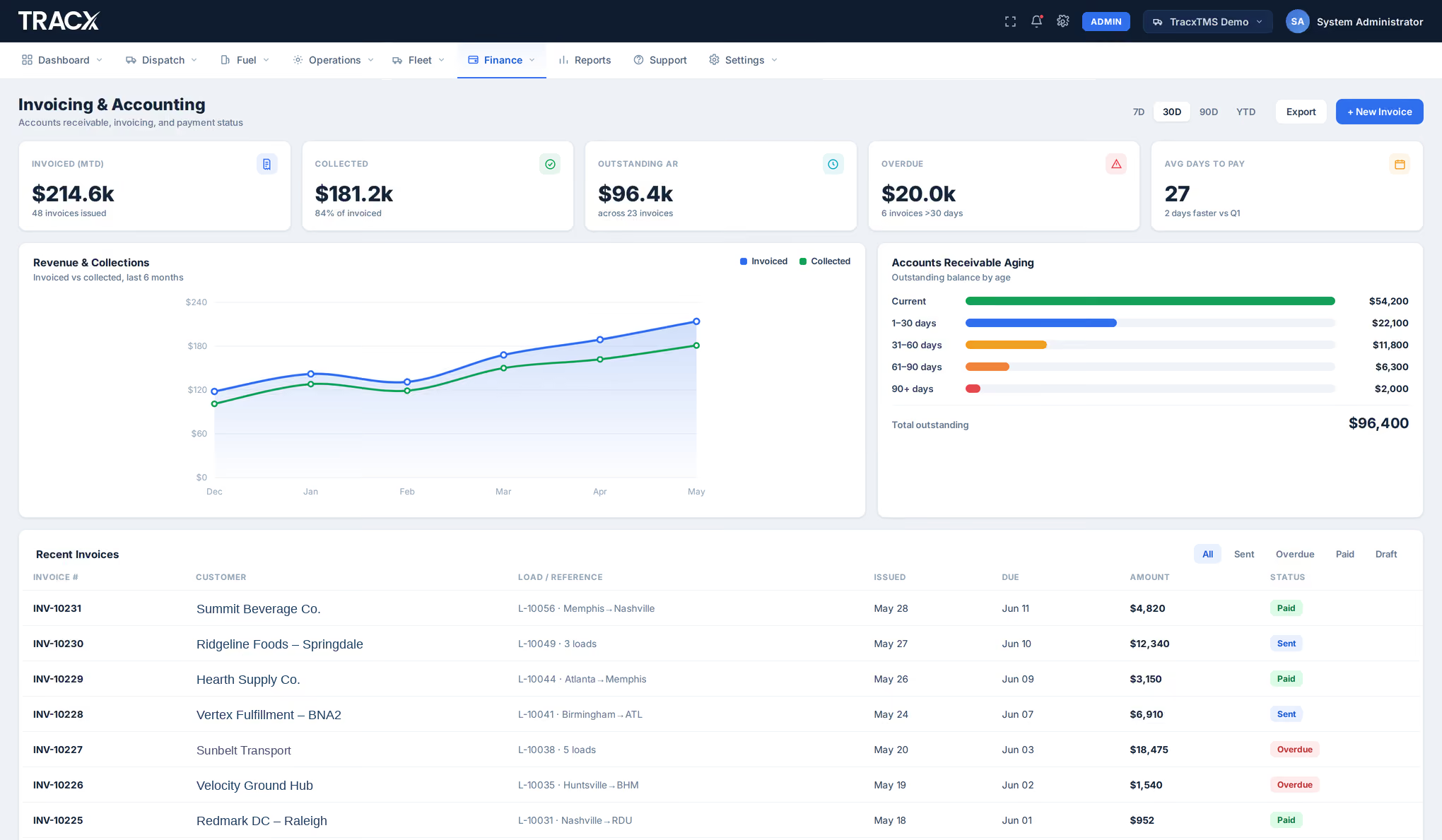
Specialized carrier invoicing must include permit fees, escort charges, route survey costs, and project-based billing, which standard freight invoicing tools don't support natively.
Scale ticket-based invoicing for bulk material operations generates accurate per-ton billing from weigh-bridge data automatically. Per-vehicle billing for car hauling operations works alongside project-level invoicing for multi-move contracts, providing one platform with multiple billing structures.
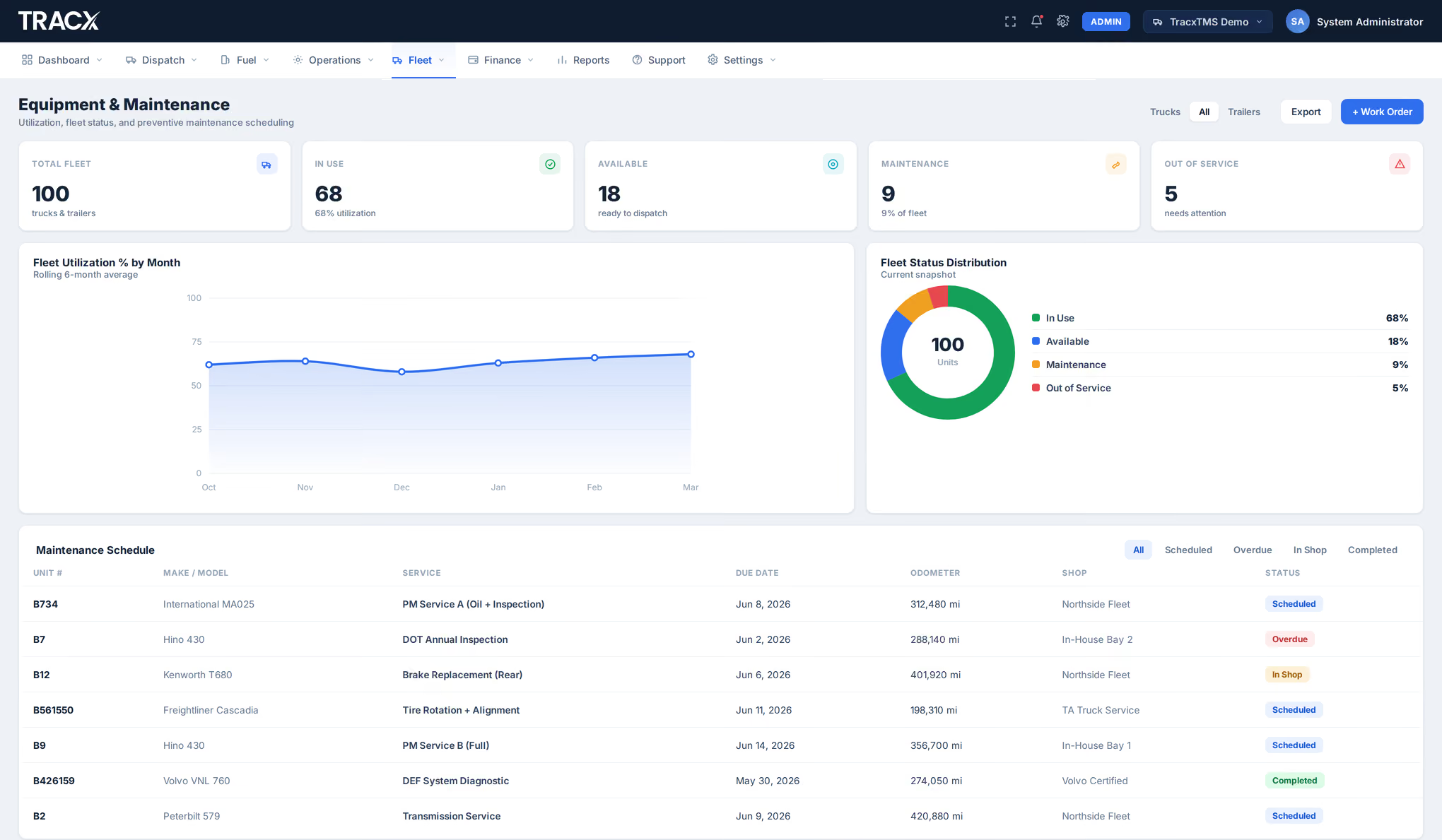
Specialized fleets carry diverse trailer types (flatbeds, RGNs, lowboys, step-decks), each with different compliance requirements, capacities, and maintenance schedules. Tracx manages all of them with equipment-type-specific tracking.
Driver certification tracking covers hazmat endorsements, specialized equipment qualifications, TWIC cards, and oversized load credentials with automated alerts before expiry. Load assignment is blocked when driver credentials don't match load requirements, with compliance failures caught at planning rather than at a roadside check.
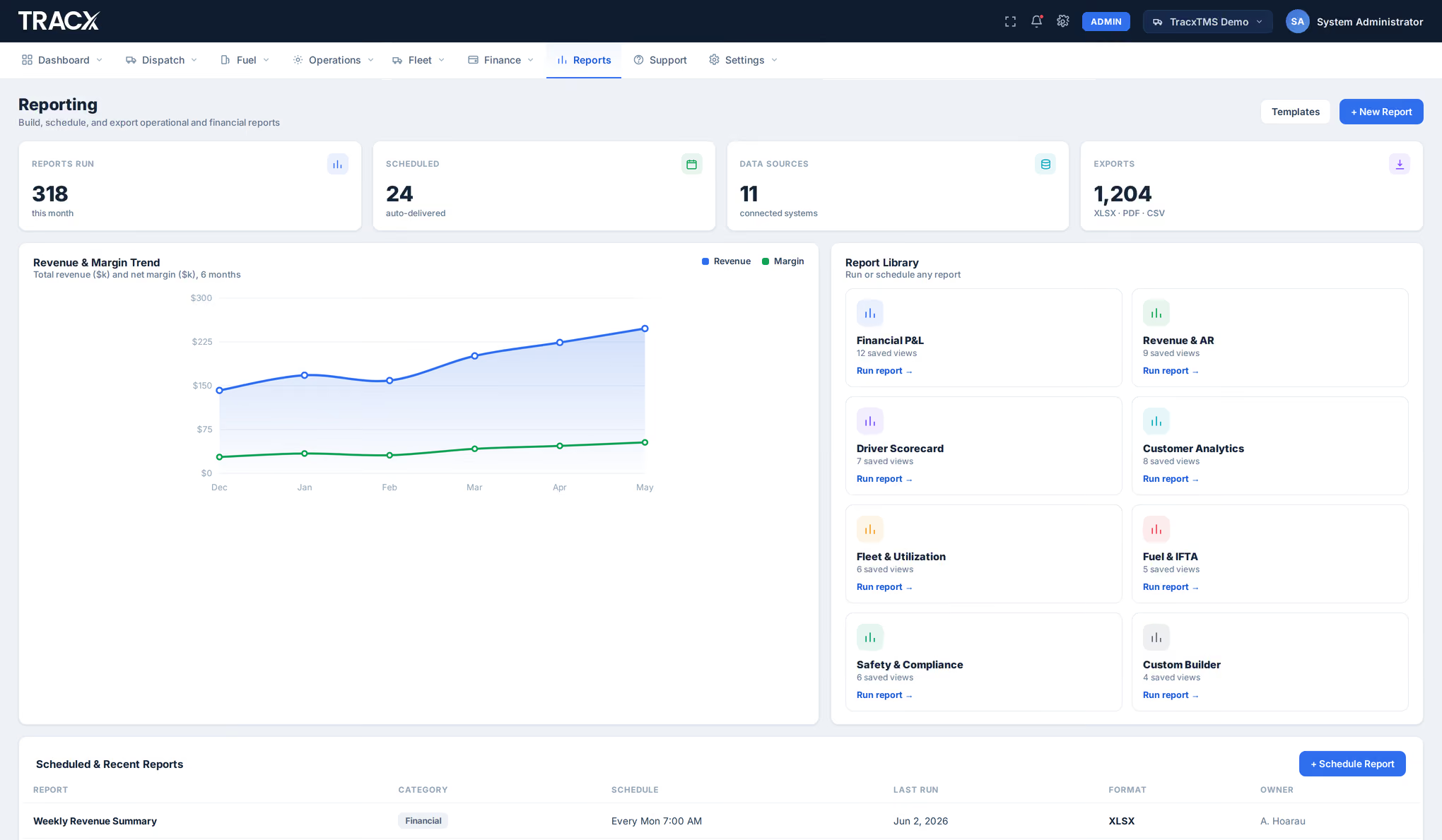
Specialized carrier reporting needs to track permit costs, project profitability, and equipment utilization by trailer type, none of which exist in standard freight reporting tools.
Per-vehicle margin reporting for car hauling operations surfaces which dealer accounts and lanes are profitable. Project profitability reports show total revenue against permit, escort, driver, and equipment costs per job, delivering true margin rather than estimate-based billing.
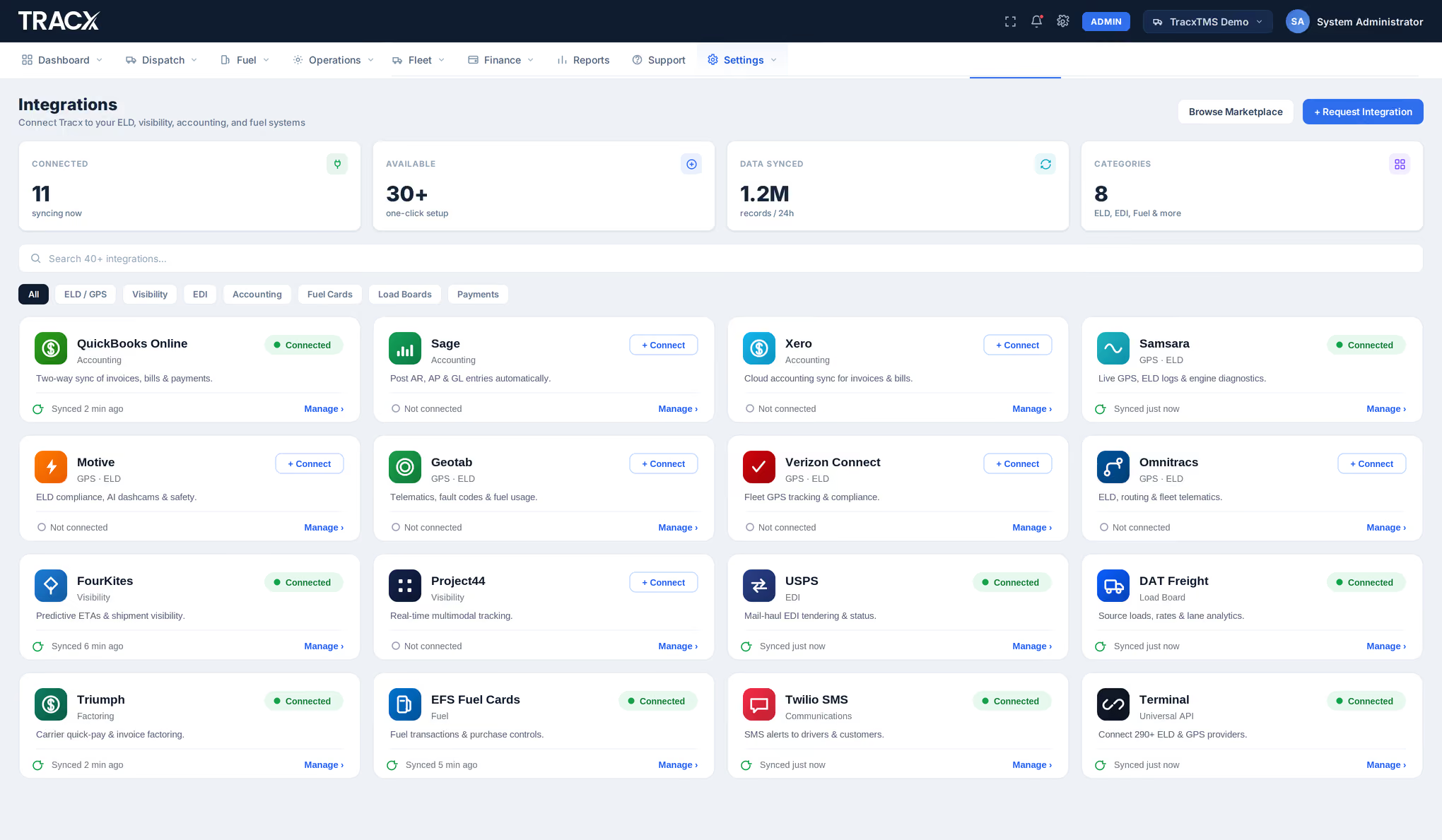
Tracx integrates with the specialized tools that heavy haul and auto transport operations depend on (permit management platforms, weigh-bridge systems, and auto transport load boards) alongside standard GPS and accounting integrations.
Oversize.io integration calculates state-by-state permit costs, escort requirements, and holiday restrictions from load dimensions at the quoting stage. Ship.Cars, Super Dispatch, and 30+ broker import formats populate auto transport dispatch without manual re-entry.
Tracx for specialized carriers combines oversize permit calculation, project-based dispatch, multi-equipment compliance, and auto transport workflows, giving your operation the tools to handle complex specialty moves without generic TMS workarounds.













Tracx handles the full operational scope of specialized hauling, including oversize permit calculation, auto transport workflows, project-based dispatch, and DOT compliance tracking, without generic TMS workarounds.

Every function you depend on runs in one fully integrated system, including dispatch, driver management, billing, compliance, vin-level tracking, permit management, and accounting. Data flows automatically between them.

Tracx invests in the relationship past go-live, with rapid implementation, pricing that scales with your business, and a dedicated support team that knows how specialized carrier operations actually run day to day.
We don't do generic walkthroughs. Tell us your freight type, your current system, and your biggest operational pain point. We'll show you exactly how Tracx handles it. No pitch deck. No pressure. Just a real look at the platform shaped for your operation.